Skip to content

Driver-Assistance System Crash Injury Claims in Marietta, Georgia

Misleading warning labels can leave drivers without a clear safety message in Marietta. We examine what the system told the driver before the crash.

Upfront, Transparent PricingServing 52 CommunitiesMon-Sun: Open 24 hoursFast Scheduling

Quick Summary: driver-assistance crash claims in Marietta, Georgia

Driver-Assistance System Crash Injury Claims in Marietta are handled by Atlanta Auto Law for drivers injured in crashes involving driver-assistance features. The firm serves Marietta and surrounding communities, offers free consultations, and reviews warning labels, owner manuals, and dashboard alerts.

  • What we do: Atlanta Auto Law handles Driver-Assistance System Crash Injury Claims for injured drivers in Marietta, Georgia.
  • What is included: The case review covers warning labels, owner manuals, marketing materials, dashboard alerts, crash evidence, and injury losses.
  • What you get: The client receives a grounded assessment of possible responsibility, available compensation, and the next legal step.

Can misleading system warnings support a driver-assistance injury claim?

Yes, misleading warning labels can support a driver-assistance injury claim when the message failed to explain a safety limit or risk. The claim still needs evidence that connects the warning to the crash and the resulting injuries. Atlanta Auto Law reviews the warning, system materials, medical records, and other case facts before advising on legal options.

How driver-assistance crash claims focus on warning labels

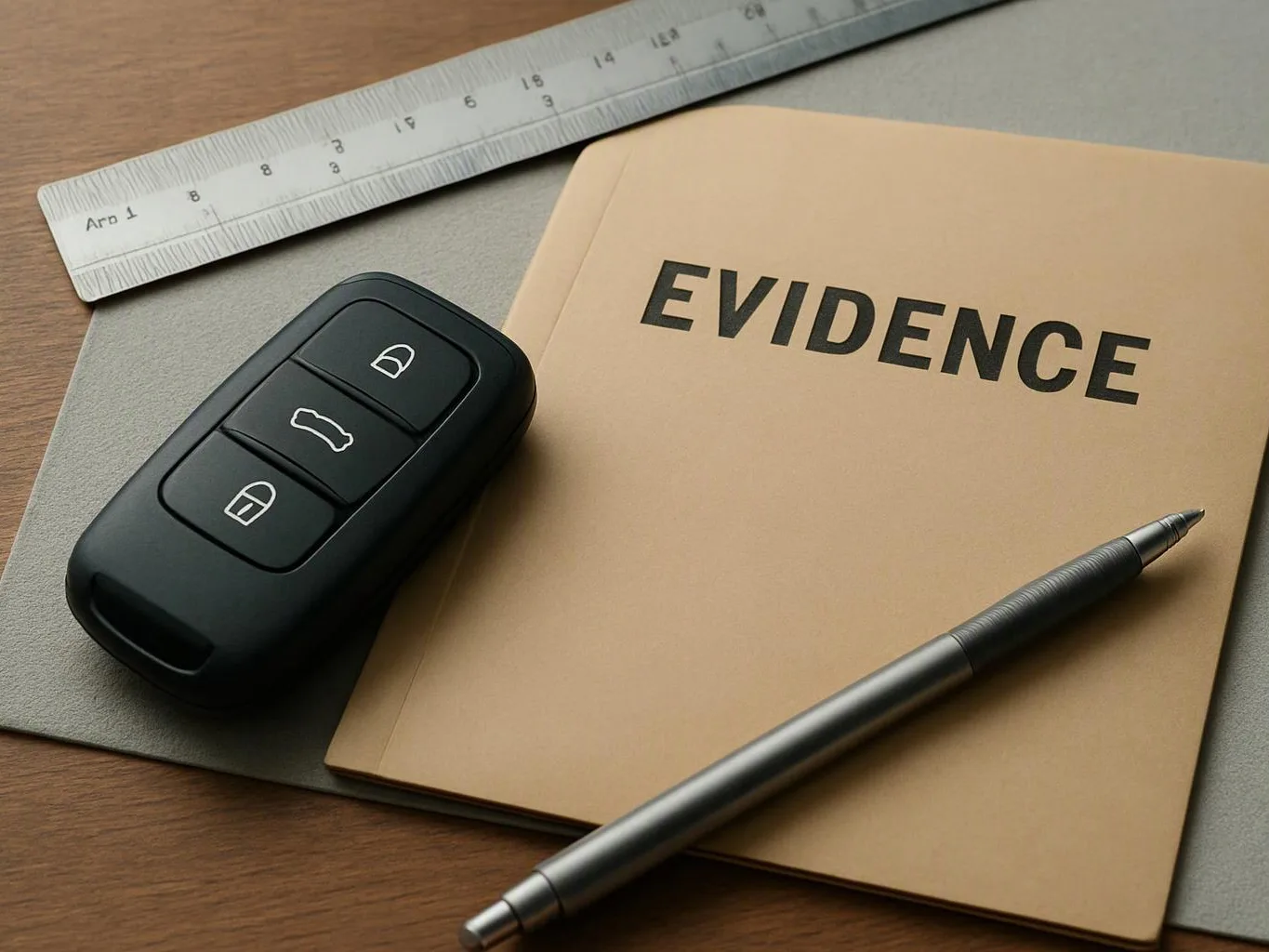
Driver-assistance system crash injury claims examine whether a safety message gave the driver a fair understanding of the feature’s limits. Warning labels, owner manuals, marketing materials, and dashboard alerts can show what the driver was told before using the system.

The buyer’s key decision is whether the warning evidence adds a product or manufacturer issue to the crash claim. That question differs from a basic collision review, which may center on traffic conduct, police records, and insurance coverage. We assess both paths so the claim does not overlook a relevant source of compensation.

Clients should preserve the vehicle, screenshots, written alerts, manuals, and messages about the system. A short warning can matter when it leaves out a known limit or creates a false sense of control.

  • Preserve the vehicle and any physical system controls after the crash.
  • Save owner manuals, dashboard alerts, software messages, and marketing materials.
  • Collect police records, medical records, photographs, witness details, and insurance information.
  • Record what the driver understood about the system before the collision.
  • Ask whether the warning evidence supports a product claim, an injury claim, or both.
A quiet waiting room has a wood reception desk, gray chairs, a lamp, and a potted plant, with "LAW OFFICE" on the back wall

Service Overview

Driver-assistance system crash injury claims are legal claims that seek compensation after a crash involving features such as lane support or braking alerts.

  • These claims examine product warnings and system limits, while a standard car accident claim may focus more on driver conduct and insurance coverage.
  • Atlanta Auto Law handles this work for injured people in Marietta and surrounding communities.

What a focused warning review changes for your claim

A focused warning review can show whether the system message matched its real limits.

You get a clearer view of possible claims against drivers, insurers, or product makers.

Early document review helps preserve evidence that could change the legal theory.

Our team keeps the injury claim tied to medical records and actual accident losses.

You can discuss the case through a free consultation before deciding on representation.

Process

How Atlanta Auto Law reviews a driver-assistance crash claim

1

Gather the crash record

We start with the driver’s account, police records, photographs, medical records, and insurance information. Clients can bring what they have to the consultation.

2

Preserve system evidence

We identify warning labels, dashboard alerts, owner manuals, marketing materials, and vehicle information that may explain what the driver was told.

3

Test the warning against the injury

We compare the message with the system’s stated limits and the facts before impact. The review also connects the crash to medical treatment and financial losses.

4

Set the claim path

We explain whether the facts support insurance negotiation, a product liability theory, or further investigation through discovery, mediation, or trial.

Why this claim review fits the crash details

Warning evidence gets its own review

Customers receive a focused review of warning labels, manuals, marketing materials, and dashboard alerts. This service is the wrong fit when no driver-assistance feature was involved in the crash.

The injury claim stays central

Medical expenses, lost wages, pain and suffering, and other losses remain part of the case review. Clients also receive guidance on insurance negotiations and needed records.

Attorney-LED case strategy

Ronnie Mabra founded Atlanta Auto Law in 2007 and brings legal experience, community involvement, and legislative experience as a former Georgia State Representative. The firm has recognition from the Million Dollar Advocates Forum.

What driver-assistance crash claim help includes

Atlanta Auto Law provides comprehensive Driver-Assistance System Crash Injury Claims in Marietta. Here's what you get:

  • We review warning labels and dashboard alerts tied to the crash.
  • We compare owner manuals with marketing materials and the driver’s understanding of the system.
  • We gather police records, medical records, photographs, witness information, and insurance details.
  • We assess medical expenses, lost wages, pain and suffering, and other accident-related losses.
  • We handle insurance negotiation and prepare the claim for discovery, mediation, or trial when appropriate.
  • We explain the claim path during a free consultation and discuss the contingency-fee agreement.

Warning evidence compared with ordinary crash evidence

These evidence groups answer different questions during a driver-assistance injury claim.

Evidence groupMain questionExamples
Warning and system evidenceWhat did the feature tell the driver?Warning labels, owner manuals, dashboard alerts, marketing materials
Crash and injury evidenceWhat happened and what losses followed?Police records, photographs, medical records, wage records

The Atlanta Auto Law Standard

  • Initial Consultation
  • Clear Communication
  • Claim Investigation
  • Litigation Representation

Questions about warning-based crash injury claims

Can misleading warning labels support an injury claim?

Warning labels can support an injury claim when they hide a safety limit or create a misleading impression about system control. Atlanta Auto Law compares the label with the owner manual, dashboard alert, marketing material, and crash facts. The evidence must also connect the warning problem to the collision and the claimed injuries.

How is a warning review matched to the crash before work starts?

A warning review starts with the feature involved, the message shown, and the driver’s actions before impact. We compare those facts with police records, vehicle materials, photographs, and medical records. Clients do not need every document before a free consultation, but preserved alerts and manuals can make the review more useful.

What should be ready before a crash claim starts?

Police records, medical records, insurance details, photographs, witness information, and system messages provide a useful starting record. Clients should also preserve the vehicle and owner manual. Atlanta Auto Law can identify other needed evidence during the initial case review.

Which condition changes the time needed for warning evidence review?

The condition of the vehicle and the availability of system records can change the review time. A preserved dashboard alert or manual may answer key questions, while missing records can require more investigation. We explain the next evidence step after reviewing the crash facts.

What does the contingency fee cover in this type of case?

The contingency fee covers the agreed legal work described in the fee agreement, with payment tied to the case outcome. Atlanta Auto Law explains fees and case costs before representation begins. The specific terms depend on the claim, the evidence, and the legal work required.

Why do medical records matter when the warning is disputed?

Medical records connect the crash to the injury and document treatment, symptoms, and financial losses. They help show the effect of a traumatic brain injury, spinal cord injury, or other harm. We review those records with the warning evidence so the claim addresses both liability and compensation.

How does this differ from a basic car accident claim?

A basic car accident claim often focuses on driver conduct, traffic facts, and insurance coverage. A warning-based claim also examines product messages, system limits, owner manuals, and marketing materials. Some crashes require both analyzes because more than one party or theory may affect compensation.
Contact

Discuss your driver-assistance crash claim in Marietta

Schedule a free consultation about the warning evidence and your injuries; urgent requests get priority scheduling.

ZIP Codes We Serve in Marietta, Georgia

3000630007300083006030061300623006330064300653006630067300683006930090

Driver-Assistance System Crash Injury Claims in Other Areas

The information on this website is for general informational purposes only and is not legal advice, does not create an attorney-client relationship, and may not reflect current law in North Decatur, Georgia, United States. Every situation is different; consult a licensed attorney about your specific matter. Prior results do not guarantee a similar outcome.

(678) 235-3870