Car Accident Claim Mistakes That Can Reduce Your Compensation
Car accident claim mistakes can weaken evidence, liability arguments, and settlement value; Atlanta Auto Law helps identify risks, protect your claim, and pursue compensation, with Free Consultations.
Written by Ronnie Mabra
Request an Estimate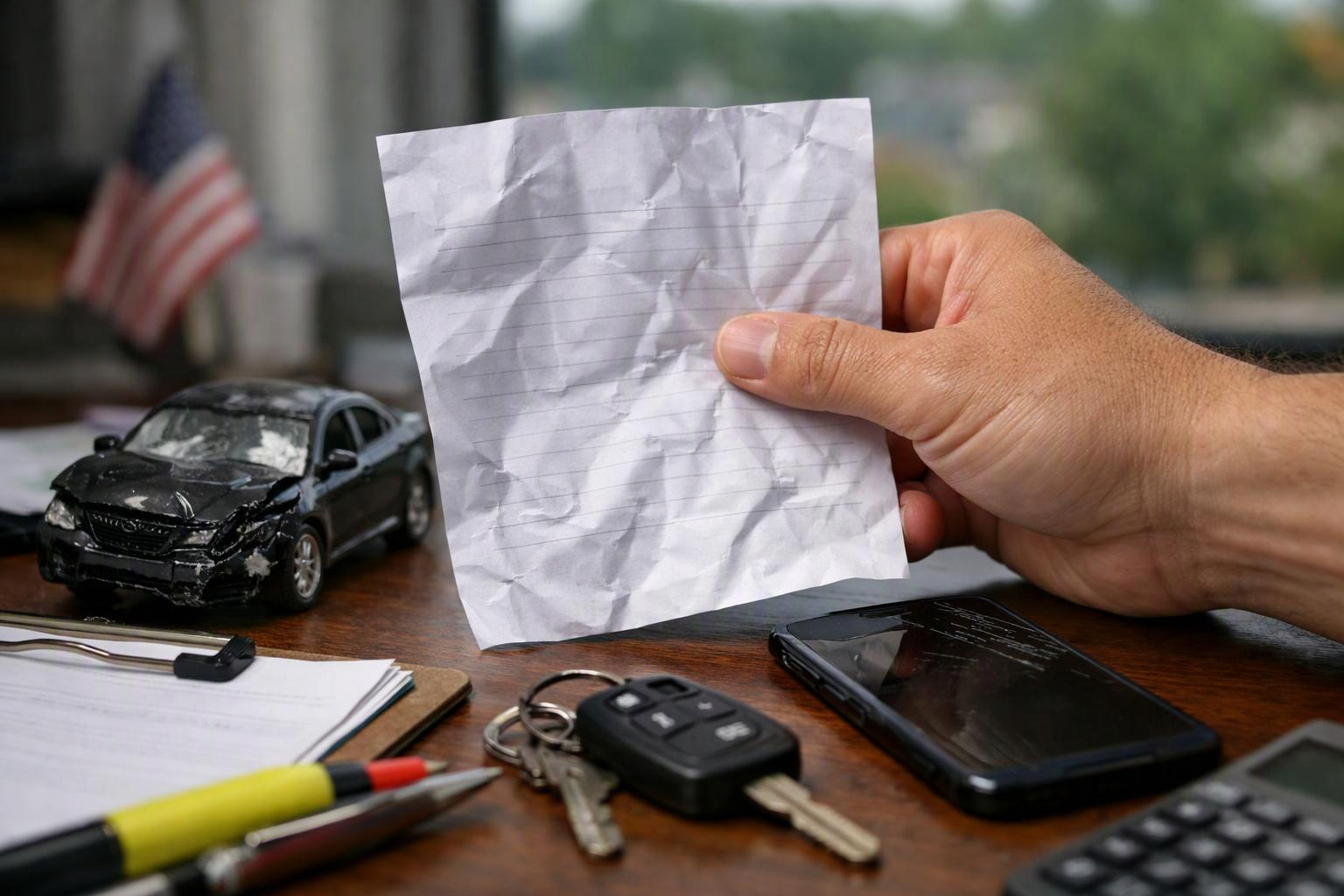
Car accident claim errors can affect the proof needed to recover for an injury. We review the facts, insurance coverage, and available evidence so you can make informed decisions about your claim.
Author: Ronnie Mabra
How Car Accident Claim Mistakes Affect Compensation
Car accident claim mistakes can reduce compensation by weakening proof of fault, injury, damages, or the value of the claim. A weak record can make liability harder to establish and can give an insurance company reasons to question an injury claim.
Compensation may include medical expenses, lost income, property damage, pain and suffering, and future medical care. We connect each loss to supporting records and evaluate how the other driver's conduct, comparative fault, and insurance claim process affect the case.
Strong proof of fault and damages helps support a fair settlement. Our team organizes the claim evidence before settlement negotiation begins.
The Claim Mistakes That Can Weaken Your Case
Claim evidence becomes harder to use when important facts are delayed, changed, or lost. Common problems include incomplete medical records, unclear injury documentation, and statements made without understanding the claim investigation.
An insurance adjuster may use gaps in the record to question causation, liability, or the value of a settlement. We compare the accident report, treatment history, witness information, and financial losses to identify gaps and correct them where possible.
Mistake: Waiting to Get Medical Care
Delayed medical care can give an insurance company an argument that injury symptoms were not caused by the crash. People often wait because symptoms seem minor, transportation is difficult, or they hope discomfort will fade.
Delayed treatment can make causation and the need for future medical care harder to prove. We use medical records and treatment history to explain when symptoms began and how the crash relates to the injury.
Seek a medical evaluation when you have symptoms after a collision, and follow the treatment plan given to you. Keep medical bills, instructions, and appointment records with your claim documents.
Mistake: Failing to Document the Crash and Your Injuries
Injury documentation helps preserve what happened at the accident scene and how the injuries affected daily life. Important information can disappear when photographs, witness statements, or the police report are not saved.
Missing documentation can weaken proof of fault, vehicle damage, and the seriousness of an injury. We gather available photographs, witness information, the accident report, and medical records to build a clearer account.
Save photographs of the vehicles, roadway, visible injuries, and surrounding conditions. Write down what you remember while the details are fresh.
Mistake: Giving an Unprepared Recorded Statement
An insurance adjuster may request a recorded statement during the claim investigation. People can unintentionally guess, minimize symptoms, or describe events in a way that later appears inconsistent.
An unprepared recorded statement can create factual consistency issues and give the insurer material to use against the claim. We review communication requests and help keep factual answers accurate and limited to what you know.
Do not guess about speed, distance, timing, or medical conditions. Ask what information is needed and discuss difficult requests with our team before responding.
Mistake: Admitting Fault or Guessing About What Happened
Comparative fault can affect recovery when an insurer argues that more than one person caused the crash. An apology or uncertain statement may be treated as an admission even when the full facts are not known.
Guessing can distract from physical evidence, accident reconstruction, and witness testimony. We assess the available liability evidence before making conclusions about fault.
Give a direct account of what you observed and avoid assigning blame before the evidence is reviewed. Do not change your account to satisfy an insurance company.
Mistake: Accepting a Settlement Before Understanding Your Losses
A settlement offer may not account for all medical expenses, lost income, property damage, or future damages. People may accept quickly because bills are pressing or the offer appears helpful.
Signing a release agreement can end the claim even when later treatment or losses remain. We review the offer, available insurance coverage, medical outlook, and financial records before advising on settlement.
Keep records of lost wages, medical bills, treatment recommendations, and changes to daily activities. Ask what rights the release agreement gives up before signing it.
Mistake: Posting About the Accident or Injury Online
Social media evidence can include photographs, comments, check-ins, or activity posts that an insurance defense team may use in an injury claim. Privacy settings do not guarantee that a post will remain private.
Posts can be taken out of context and used to question pain, limitations, or the seriousness of an injury. We consider available online evidence when preparing the claim and address misleading interpretations.
Avoid posting about the crash, injuries, treatment, dispute, or settlement. Do not delete relevant material without discussing preservation with our team.
Mistake: Failing to Preserve Important Evidence
Physical evidence can include vehicle damage, dashcam footage, cellphone records, and surveillance video. Evidence may be repaired, overwritten, lost, or destroyed when no preservation effort is made.
Missing evidence can make liability and accident reconstruction more difficult. We identify important sources, request records when appropriate, and preserve the materials that support the claim.
Keep damaged property in its current condition when possible and save original video files. Tell us about nearby cameras, dashcams, and witnesses as soon as you can.
Mistake: Missing a Deadline for the Claim
A statute of limitations can limit the time available to file a court action. Insurance notice requirements and other legal deadlines may also affect how a claim proceeds.
Missing a legal deadline can prevent recovery even when the evidence supports liability. We identify applicable deadlines, track required notices, and prepare a court filing when litigation is necessary.
Do not assume an insurance claim extends every court deadline. Contact our team promptly when a crash involves serious injuries, disputed liability, or an uncooperative insurer.
Mistake: Handling a Complex Claim Without Legal Guidance
A complex claim may involve a liability dispute, multiple insurance policies, serious injuries, or more than one responsible party. These issues can make claim negotiation difficult to manage alone.
Uncoordinated communication can weaken evidence and delay decisions about settlement. We review the insurance policies, medical records, liability facts, and damages before choosing a negotiation strategy.
Consider legal guidance when fault is disputed, the injuries are severe, or the settlement offer does not reflect your losses. Our team can explain the next decision in plain language.
How to Protect a Car Accident Claim After the Crash
Protecting a car accident claim starts with organized action and careful communication. Each step helps preserve facts that may support liability, medical treatment, and damages.
We use the available records to check whether the claim tells a consistent story from the accident response through settlement negotiation.
When to Call Atlanta Auto Law About a Car Accident Claim
Contact Atlanta Auto Law when a car accident claim involves facts or decisions that may affect compensation. Early legal guidance can help preserve evidence and organize communication with the insurance company.
Our team reviews the situation and explains practical next steps based on the available claim evidence.
What Atlanta Auto Law Reviews Before Pursuing Compensation
Atlanta Auto Law reviews medical records, accident evidence, liability, and the losses connected to the collision before pursuing compensation. We look at how the facts support both economic damages and noneconomic damages.
Our review may include the police report, photographs, witness information, vehicle damage, medical bills, treatment history, lost wages, and insurance correspondence. We also assess comparative fault and the available insurance coverage.
We then explain the claim value factors, possible defenses, and settlement negotiation strategy. The goal is to base each decision on evidence rather than assumptions.
For help with a Car Accident Claims matter, contact our team for Free Consultations.
What to Bring to a Car Accident Claim Consultation
Bring every record that helps explain the crash, your injuries, and your financial losses. Organized documents help us evaluate the claim more efficiently.
You can bring additional records later if some information is not available at the first meeting.
Questions About Car Accident Claim Mistakes
Should I speak with the other driver's insurance company after a car accident?
Atlanta Auto Law recommends careful, limited communication with the other driver's insurance company because statements can affect liability and injury issues. Provide basic claim information when needed, but do not guess about the crash or discuss a settlement before reviewing the claim.
Can social media posts affect a car accident injury claim?
Yes, social media posts can affect a car accident injury claim when they appear to conflict with reported pain, limitations, or treatment. Avoid posting about the accident, injuries, insurance dispute, or settlement.
What evidence should I save after a car accident?
Save the accident report, photographs, witness information, medical records, insurance correspondence, vehicle damage records, dashcam footage, and proof of lost income. These materials can support fault, causation, and damages.
Can I still pursue compensation if I already accepted an insurance payment?
Possibly, depending on whether you signed a release agreement and what the payment covered. We review the payment documents, communications, and remaining losses before explaining whether further action may be available.
What should I bring to a car accident claim consultation?
Bring the police report, medical records, insurance correspondence, photographs, wage loss records, witness information, and any settlement offer. Additional documents can be provided as the case evaluation continues.
Protect Your Car Accident Claim
Atlanta Auto Law reviews claim evidence, liability, medical records, and damages to help protect your path to compensation. Contact us for Free Consultations when a settlement offer, disputed liability, or claim deadline creates uncertainty.
Get a Free Estimate