Car Accident Claim vs. Personal Injury Lawsuit: What Is the Difference?
A car accident claim usually seeks compensation through an insurance process, while a personal injury lawsuit seeks compensation through court proceedings. Atlanta Auto Law evaluates fault, evidence, damages, insurance coverage, and settlement options with you to determine the appropriate legal path.
Written by Ronnie Mabra
Request an Estimate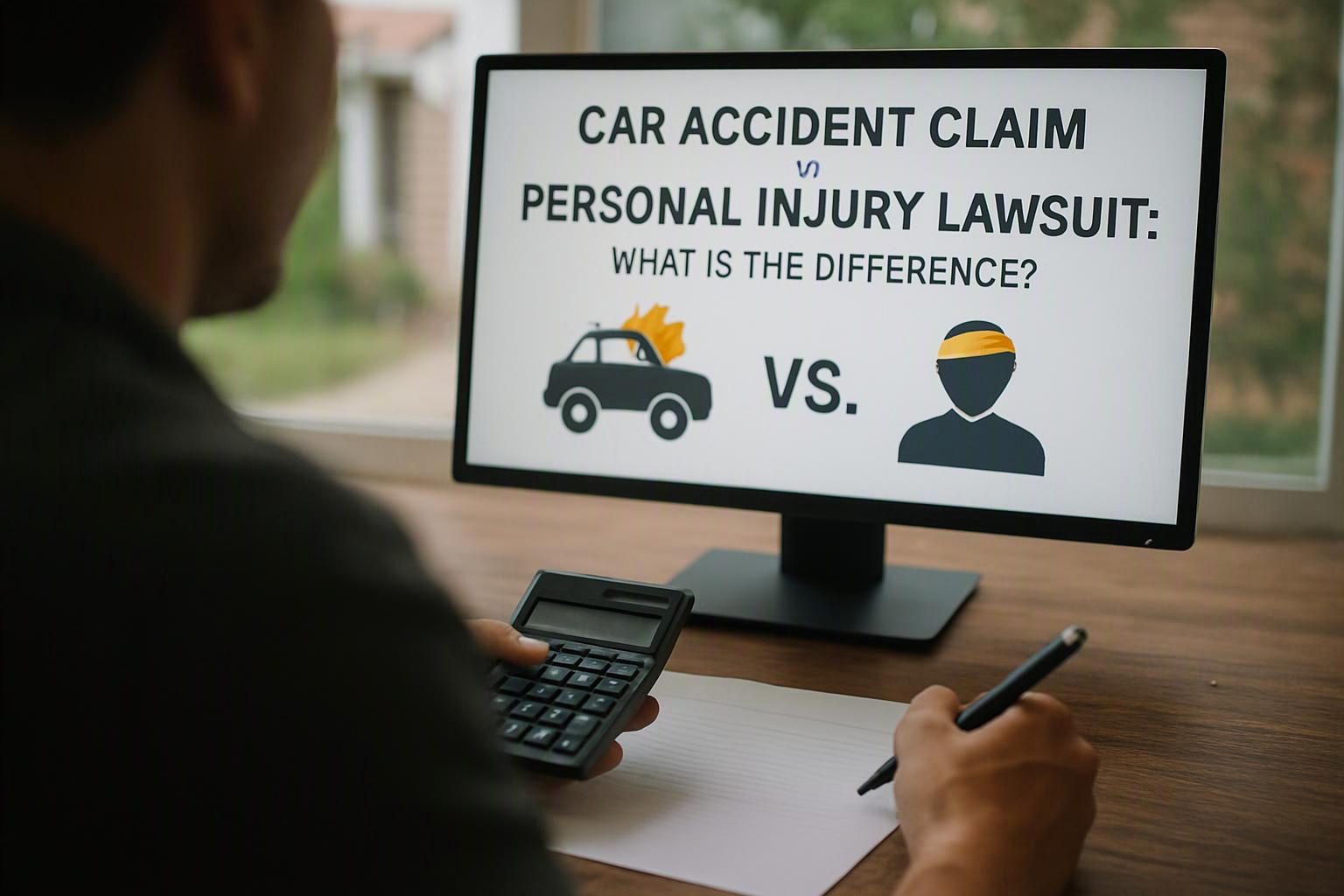
What Is the Difference Between a Car Accident Claim and a Personal Injury Lawsuit?
A car accident claim is an insurance-based request for compensation, while a personal injury lawsuit is a court case seeking damages from a liable party. An insurance claim usually begins with the at-fault driver’s insurance company.
A lawsuit moves the dispute into civil court. The case may involve a complaint, formal discovery, settlement negotiations, and a court judgment. Both paths can address bodily injury, property damage, medical expenses, lost wages, and pain and suffering.
Our team can help you file an insurance claim, document injuries, prove fault, and pursue compensation through the path that fits the facts.
Car Accident Claim vs. Personal Injury Lawsuit at a Glance
A car accident claim and a personal injury lawsuit can be part of the same compensation process. The main difference is whether the dispute remains in insurance negotiations or proceeds through court proceedings.
| Factor | Car Accident Claim | Personal Injury Lawsuit |
|---|---|---|
| Claim process | Insurance investigation and settlement negotiation | Formal court proceedings after a complaint is filed |
| Litigation | Usually avoids court when the parties agree | Uses litigation when the dispute requires court intervention |
| Settlement | Negotiated with the insurance company | May occur before trial or during the lawsuit |
| Legal costs | Depend on case work, evidence, and negotiation needs | Depend on pleadings, discovery, hearings, and trial preparation |
| Case timeline | Often follows the insurer’s investigation and negotiations | Depends on court deadlines, discovery, motions, and resolution |
| Case management | Centers on claim evidence and settlement discussions | Includes formal filings, discovery, court orders, and trial preparation |
| Best fit | A claim with clear liability and workable insurance coverage | A claim involving disputed liability or an inadequate settlement offer |
What Are the Advantages of a Car Accident Claim?
An insurance claim can resolve a dispute without requiring a court filing. Our team builds the claim around the facts that help an insurance company evaluate liability and damages.
Best for: A car accident claim is often a good fit when fault, damages, and insurance coverage can be supported without court intervention.
Best for Resolving an Insurer Dispute Without Filing in Court
An insurance settlement is best suited to an insurer dispute that can be resolved through evidence and negotiation. We address liability, document damages, and explain why the requested compensation is supported.
What Are the Advantages of a Personal Injury Lawsuit?
A personal injury lawsuit gives a disputed claim a formal process for resolving liability and damages. Our team uses litigation tools when insurance negotiations do not provide a fair path to resolution.
Best for: A personal injury lawsuit is often a good fit when liability is disputed, the damages claim is substantial, or the settlement offer does not reflect the evidence.
Best for Disputed Liability or Inadequate Settlement Offers
Litigation strategy is useful when the other side disputes fault or undervalues the damages claim. We develop the evidence, preserve relevant records, and present the losses in the form required by the court process.
How Does a Car Accident Claim Become a Lawsuit?
A claim can become a lawsuit when negotiations do not resolve the dispute and filing a court action remains legally available and strategically appropriate.
What Evidence Supports Either Legal Path?
Evidence supports both an insurance claim and a personal injury lawsuit by connecting the crash to fault, injuries, and financial losses. We review the crash report, photographs, witness statements, and insurance coverage.
Medical records and medical treatment help document bodily injury and medical expenses. Lost income evidence supports lost wages when an injury affects work.
Fault evidence may include vehicle damage, roadway conditions, statements, and other records. We organize these materials so the insurance company or court can evaluate the damages claim.
How Do You Choose Between a Claim and a Lawsuit?
The appropriate path depends on liability evidence, injury-related losses, insurance coverage, settlement negotiations, and whether the dispute requires court intervention.
Comparative fault may affect how responsibility is evaluated. Injury severity, policy limits, disputed liability, available evidence, and settlement objectives also guide the decision.
Our team weighs the practical value of continued negotiation against the demands of litigation. We explain the available options so you can make an informed case decision.
How Atlanta Auto Law Reviews a Car Accident Case
For help with an insurance-based injury matter, visit Car Accident Claims.
What Questions Should You Ask Before Pursuing Compensation?
A legal consultation should clarify the claim value factors, legal deadlines, evidence preservation needs, and case objectives. The answers help determine whether negotiation or litigation better fits the matter.
Ask whether the evidence supports liability, how medical treatment affects the damages claim, and whether insurance coverage may limit recovery. Ask how the statute of limitations applies and what steps will preserve important evidence.
Ask what the proposed case strategy includes, how settlement negotiations will be evaluated, and when a complaint may be appropriate. A personal injury attorney can explain the legal path based on the facts of your accident.
Questions About Car Accident Claims and Lawsuits
Can a car accident claim be settled without filing a lawsuit?
Yes, a car accident claim can be settled without filing a lawsuit when the parties agree on liability and compensation. Atlanta Auto Law handles the evidence review and settlement negotiations needed to evaluate that option.
Can you file a lawsuit after accepting an insurance settlement?
Usually, accepting a settlement requires signing an agreement that releases the insurer or at-fault driver from further claims related to the accident. Review the settlement documents before accepting payment because the release may limit a later lawsuit.
Who pays damages in a personal injury lawsuit after a car accident?
Atlanta Auto Law evaluates whether damages may be paid by the at-fault driver, an applicable insurance company, or another responsible party. Available insurance coverage and the court’s findings affect the recovery path.
What happens if the other driver has no insurance?
An uninsured driver may require an evaluation of uninsured motorist coverage, other available insurance, and the driver’s personal responsibility. We review the applicable policies and evidence before recommending a claim or lawsuit strategy.
Can a wrongful death claim follow a fatal car accident?
Yes, a wrongful death claim can follow a fatal car accident when the legal requirements for that claim are met. The available parties, damages, evidence, and statute of limitations depend on the circumstances.
Author: Ronnie Mabra
Atlanta Auto Law provides Free Consultations to discuss the facts, evidence, damages, and legal path in a car accident matter.
Get a Free Estimate