Skip to content

Brain Injury Claims in Norcross, Georgia

Neurological exams help us assess brain injury evidence for people hurt in Norcross crashes. We explain how medical records, scans, and testing support your claim.

Upfront, Transparent PricingServing 52 CommunitiesMon-Sun: Open 24 hoursFast Scheduling

Quick Summary: Brain injury claims in Norcross, Georgia

Brain Injury Claims in Norcross are handled by Atlanta Auto Law for people hurt in car, truck, motorcycle, rideshare, pedestrian, or bicycle accidents. Our coverage includes medical record review and free consultations throughout Atlanta and surrounding communities.

  • What we do: Atlanta Auto Law handles Brain Injury Claims in Norcross, Georgia through accident investigation, medical record review, insurance negotiation, and legal guidance.
  • What is included: We review emergency records, imaging scans, rehabilitation records, cognitive testing, wage loss, and pain-related damages.
  • What you get: Brain Injury Claims in Norcross produce a documented claim file that supports informed legal decisions about compensation.

What evidence helps establish a brain injury claim after a crash in Norcross, Georgia?

Neurological exams, emergency records, imaging scans, rehabilitation records, and cognitive testing can help establish a brain injury claim. Atlanta Auto Law also reviews the crash report, treatment history, work impact, and witness information. These records help connect the injury to the accident and show how symptoms affect daily life.

Brain Injury Claims in Norcross and the evidence decision

Brain injury claims require more than a diagnosis alone. The claim must connect the crash to the injury and show how the injury affects work, care, family life, or daily tasks.

This page helps buyers decide what evidence deserves attention first. Emergency records may capture early symptoms, while rehabilitation records and cognitive testing may show ongoing limits. Imaging scans can add medical detail, but a normal scan does not always settle the legal question.

We review the full record before discussing insurance negotiation or a demand letter. Our focus stays on the evidence that supports your account and the losses tied to the accident.

  • Record symptoms such as memory loss, confusion, headaches, balance problems, or trouble concentrating.
  • Gather emergency records, imaging scans, treatment notes, and rehabilitation records.
  • Keep records of missed work, changed duties, care needs, and daily limits.
  • Preserve the police report, witness details, photographs, and insurance information.
  • Ask how cognitive testing may support the record when symptoms continue.
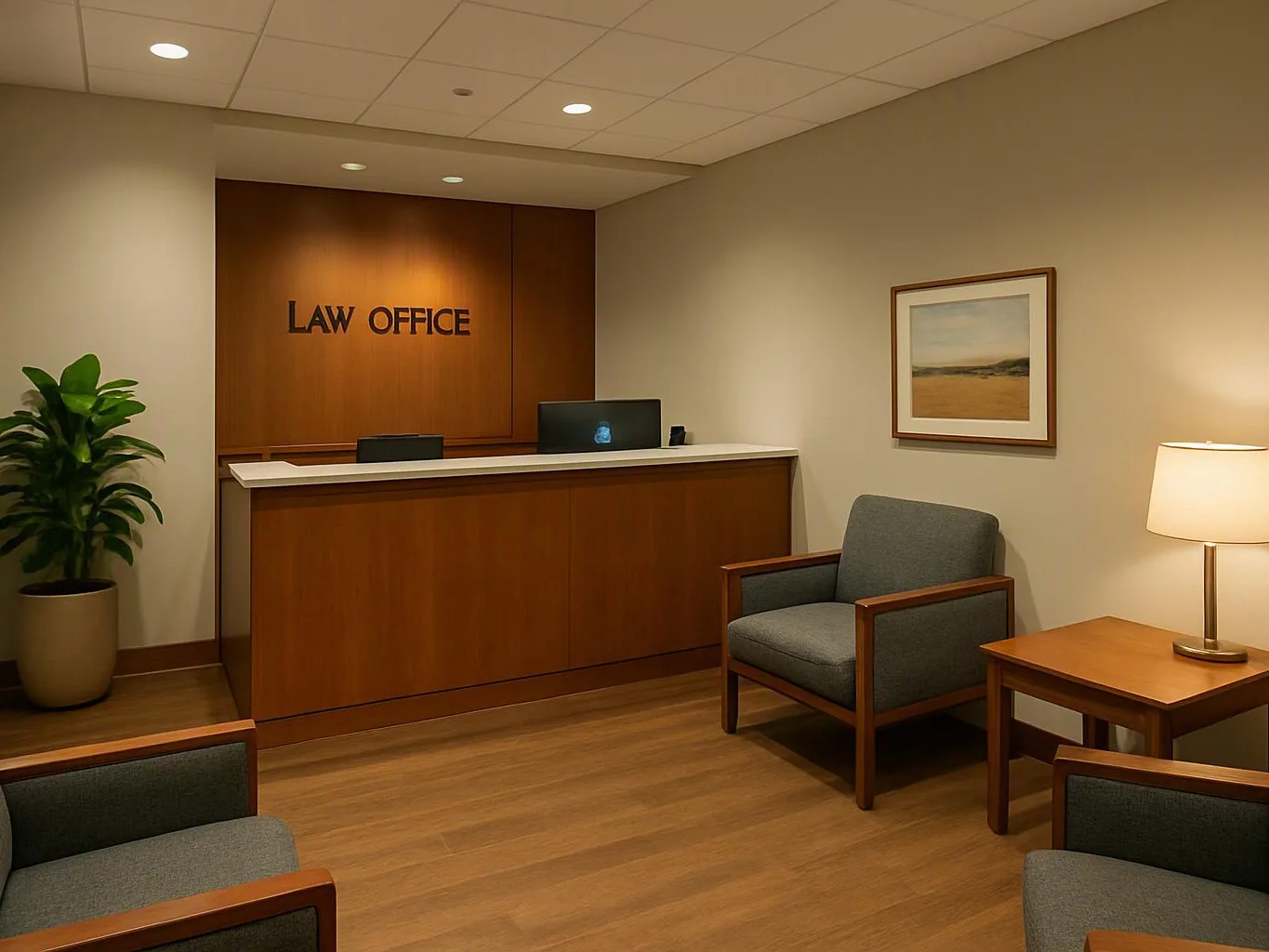
A quiet waiting room has a wood reception desk, gray chairs, a lamp, and a potted plant, with "LAW OFFICE" on the back wall

Service Overview

Brain Injury Claims are legal claims that seek compensation for brain damage caused by another person's conduct.

  • Brain injury work focuses on neurological symptoms and lasting cognitive effects, while a standard vehicle damage claim focuses on property loss.
  • Atlanta Auto Law handles brain injury claims for clients in Norcross and surrounding Atlanta communities.

What stronger claim evidence changes

A complete medical record gives insurers a clearer account of the injury and its effects.

Organized treatment evidence helps connect current symptoms to the motor vehicle accident.

Cognitive testing can describe problems that a brief physical exam may not show.

Rehabilitation records can document the care, support, and limits that continue after emergency treatment.

Clients receive clear legal options before deciding how to respond to an insurer.

A documented claim supports a more informed discussion of fair compensation.

Process

How we build the claim record

1

Start with the accident facts

We gather the police report, insurance details, photographs, witness information, and account of the crash.

2

Review early medical records

Emergency records and initial treatment notes show what symptoms appeared first and what care began after the accident.

3

Trace continuing symptoms

We compare later treatment, rehabilitation records, and cognitive testing with the first medical evidence.

4

Document daily and work limits

We record missed work, changed duties, care needs, and problems with memory, focus, balance, or communication.

5

Assess the legal path

We discuss the evidence, insurance position, demand letter, negotiation, mediation, or trial based on the claim.

What this service is built to decide

Link symptoms to the crash

We compare the accident facts with medical records, treatment dates, and reported symptoms. This service fits injury claims tied to a motor vehicle accident. It is the wrong job for a dispute unrelated to an accident.

Measure cognitive effects

Memory, focus, speech, and decision-making problems can affect work and home life. Cognitive testing and rehabilitation records help describe those effects in concrete terms.

Prepare the insurance position

We organize supporting records before presenting the claim to an insurer. The record may include medical expenses, lost wages, pain and suffering, and other accident-related losses.

Use an attorney-LED strategy

Attorney Ronnie Mabra founded Atlanta Auto Law in 2007 and brings legal, community, and legislative experience to case strategy. The firm holds membership in the Million Dollar Advocates Forum and is BBB Accredited.

What our brain injury claim service includes

Atlanta Auto Law provides comprehensive Brain Injury Claims in Norcross. Here's what you get:

  • We review emergency records and treatment notes tied to the accident.
  • We assess imaging scans and neurological exams within the medical record.
  • We organize rehabilitation records and cognitive testing that describe ongoing limits.
  • We investigate accident facts through police reports, witness information, and available evidence.
  • We address medical expenses, lost wages, pain and suffering, and other accident-related losses.
  • We handle insurance negotiation and discuss mediation or trial when the claim requires it.

Evidence types used for brain injury claims

Each evidence type answers a different question about the injury, treatment, and effect on daily life.

Evidence typeWhat it may showWhy we review it
Emergency recordsEarly symptoms and first treatmentThe condition reported soon after the crash
Imaging scansClinical findings from head or brain imagingMedical detail considered with other evidence
Rehabilitation recordsOngoing care and functional limitsHow symptoms affect recovery and daily tasks
Cognitive testingMemory, focus, and problem-solving issuesHow cognitive changes affect work or home life

The Atlanta Auto Law Standard

  • Initial Consultation
  • Clear Communication
  • Claim Investigation
  • Litigation Representation

Questions about evidence and legal guidance

What evidence helps establish a brain injury claim?

Neurological exams, emergency records, imaging scans, rehabilitation records, and cognitive testing can help establish a brain injury claim. Atlanta Auto Law also reviews crash reports, witness information, medical bills, wage records, and daily limits. The goal is to connect the accident to the injury and document its effect on your life.

How do I know if my symptoms support a claim?

Symptoms such as memory trouble, poor focus, headaches, balance problems, or speech changes deserve medical review after a crash. We compare those symptoms with treatment records and accident facts. A diagnosis is not the only issue. The record must also show how the injury affects work, care, or daily activities.

Which records should I bring to a consultation?

Medical records, the police report, insurance details, photographs, witness information, and wage records are useful starting documents. Bring what you have, even if the file is incomplete. We can identify gaps during the free consultation and explain which records may help clarify the injury or its effects.

When can cognitive testing help a claim?

Cognitive testing can help when memory, attention, reasoning, or task completion problems continue after the accident. The results add detail to treatment notes and rehabilitation records. We review the testing with the broader medical record because one test does not describe every part of a person’s recovery.

Why can a normal imaging scan leave questions?

A normal imaging scan does not describe every symptom or cognitive effect after a head injury. Treatment notes, neurological exams, rehabilitation records, and cognitive testing may provide other evidence. We review the full record and compare the medical findings with the client’s reported limits and accident history.

What decides the legal cost of this claim?

The evidence, medical issues, disputed fault, insurance response, and legal work decide the cost of a claim. Atlanta Auto Law offers free consultations and handles cases on a contingency-fee basis. The fee agreement explains the arrangement, while court costs and filing fees depend on the case.

How does a brain injury claim differ from a car damage claim?

A brain injury claim seeks compensation for bodily harm and related losses, while a car damage claim addresses vehicle repair or replacement. Brain injury work may require medical records, cognitive evidence, wage proof, and care records. We handle both accident facts and injury evidence when the case includes those losses.
Contact

Discuss brain injury claims in Norcross

Schedule a free case consultation with Atlanta Auto Law, and urgent requests get priority scheduling.

ZIP Codes We Serve in Norcross, Georgia

3000330010300713009130093

The information on this website is for general informational purposes only and is not legal advice, does not create an attorney-client relationship, and may not reflect current law in North Decatur, Georgia, United States. Every situation is different; consult a licensed attorney about your specific matter. Prior results do not guarantee a similar outcome.

(678) 235-3870