Skip to content

Brain Injury Claims in Decatur, Georgia

Neurological exams help guide brain injury claims in Decatur when symptoms affect memory, focus, or daily life. We review medical proof and accident records together.

Upfront, Transparent PricingServing 52 CommunitiesMon-Sun: Open 24 hoursFast Scheduling

Quick Summary: brain injury claims in Decatur, Georgia

Brain Injury Claims in Decatur are handled by Atlanta Auto Law for people hurt in car, truck, motorcycle, rideshare, pedestrian, and bicycle accidents. The firm reviews medical records and related losses while serving Decatur and surrounding communities.

  • What we do: Atlanta Auto Law handles Brain Injury Claims for injured people in Decatur, Georgia, including medical proof, insurance negotiation, and accident-related losses.
  • What is included: medical record review, evidence gathering, insurance negotiation, demand letters, and litigation support for accident-related brain injuries.
  • What you get: The client receives a clear assessment of the claim, the supporting evidence, and the legal options for pursuing compensation.

Why do brain injury symptoms continue after an accident in Decatur, Georgia?

Ongoing symptoms can reflect a brain injury that needs medical assessment and careful record review. Emergency records, neurological exams, imaging scans, and cognitive testing can help connect symptoms to the accident. Atlanta Auto Law reviews those records with the claim and considers how the injury affects work, treatment, and daily life.

Working With Our Team in Decatur

Brain injury claims focus on the medical and financial effects of harm caused by a motor vehicle accident. The work fits people who have symptoms, treatment needs, or limits at work after a crash.

The key decision is whether the records show a clear link between the accident, the injury, and the losses. A concussion or traumatic brain injury may affect memory, focus, speech, mood, or daily tasks, so one short medical note may not tell the whole story.

We gather police and medical records, study treatment history, and review the insurance position. The claim may involve a demand letter, insurance negotiation, mediation, discovery, or trial. Every case is different, and the available proof shapes the next step.

  • Confirm when symptoms began and how they affect daily tasks.
  • Collect emergency records, imaging scans, treatment notes, and rehabilitation records.
  • Track medical expenses, missed work, and changes in job duties.
  • Keep follow-up appointments and share new records with the legal team.
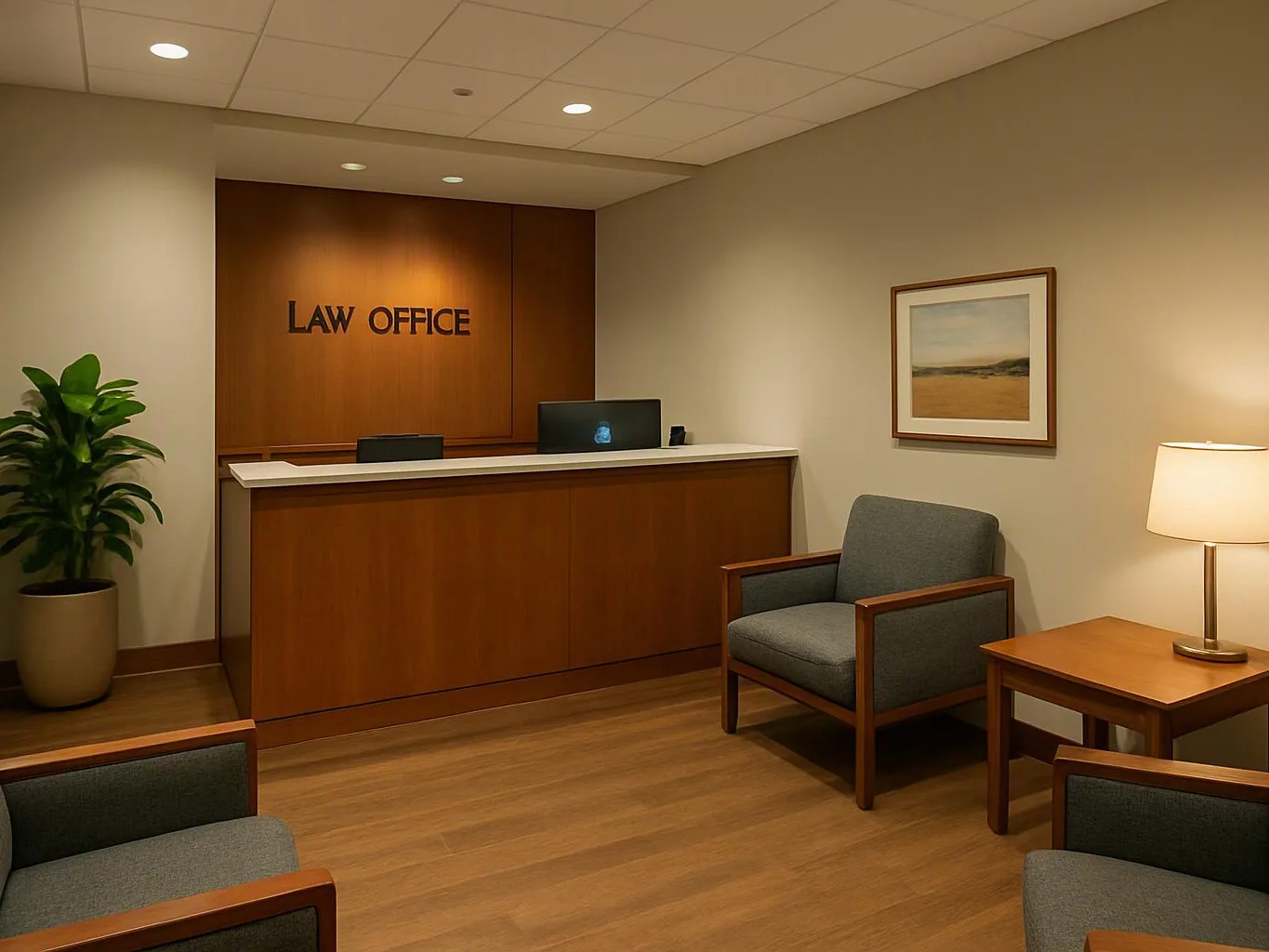
A quiet waiting room has a wood reception desk, gray chairs, a lamp, and a potted plant, with "LAW OFFICE" on the back wall

Service Overview

Brain injury claims are legal matters that seek compensation for accident-related harm to the brain and its effects on daily life.

  • These claims require more than a vehicle damage review because symptoms, treatment records, and cognitive limits can affect the value and proof of the case.
  • Atlanta Auto Law handles this work for clients in Decatur and surrounding Georgia communities.

What this legal work changes for the client

A focused record review helps show how the accident affected your health and daily life.

Medical expenses and lost wages receive attention alongside pain and suffering.

Insurance discussions follow the available evidence instead of relying only on vehicle damage.

A written claim strategy helps you understand whether negotiation, mediation, or court is the next fit.

Clients receive personal attention while pursuing fair compensation.

What brain injury claims include for accident victims

Atlanta Auto Law provides comprehensive Brain Injury Claims in Decatur. Here's what you get:

  • We review emergency records, medical notes, and imaging scans tied to the accident.
  • We organize rehabilitation records and other proof of ongoing care.
  • We examine cognitive testing and reported changes in memory, focus, or daily function.
  • We investigate the crash through police records, witness information, and available evidence.
  • We prepare insurance communications and demand materials that explain the injury and losses.
  • We pursue compensation for medical expenses, lost wages, pain and suffering, and other accident-related losses.
Process

How we handle a brain injury claim

1

Review the accident and symptoms

We collect the crash details, symptom history, police records, and available witness information.

2

Gather the medical record

We review emergency records, imaging scans, treatment notes, rehabilitation records, and cognitive testing when available.

3

Measure the accident-related losses

We examine medical expenses, lost wages, pain and suffering, work limits, and other documented losses.

4

Build the insurance position

We organize the evidence and prepare claim communications or a demand letter for the responsible insurer.

5

Choose the next legal step

We discuss negotiation, mediation, discovery, settlement distribution, or trial based on the evidence and case needs.

What clients receive from our brain injury work

Medical proof tied to the accident

Neurological exams, emergency records, and cognitive testing can explain symptoms that are not visible at the scene. We connect those records to the accident and the claimed losses.

Attorney-LED claim strategy

Attorney Ronnie Mabra leads case strategy and guidance. Atlanta Auto Law was founded in 2007, and the firm reports recovering more than $50 million for clients and handling over 1,000 cases.

A clear fit check

This service fits accident-related brain injuries. It is the wrong legal focus when the matter does not involve an injury claim or an accident-related loss.

Contingency-fee representation

We handle cases on a contingency-fee basis, so clients pay no fees unless we win their case. We explain the agreement during the consultation.

When this service is the right fit

A person in Decatur may leave a crash scene with no clear sign of brain injury, then develop memory problems or trouble focusing. We review the emergency record, later treatment, imaging, and work impact before advising on the claim.

Medical evidence used in a brain injury claim

Each record type answers a different question about the injury and its effect on the client.

Evidence typeWhat it helps showHow we use it
Emergency recordsEarly symptoms and findingsWe compare them with later treatment and reported changes
Imaging scansMedical findings shown through imagingWe review them with symptoms and other medical notes
Rehabilitation recordsOngoing care and functional limitsWe assess treatment needs and daily impact
Cognitive testingMemory, focus, and problem-solving limitsWe consider how those limits affect work and daily tasks

The Atlanta Auto Law Standard

  • Initial Consultation
  • Clear Communication
  • Claim Investigation
  • Litigation Representation

Questions about brain injury claims after an accident

What evidence helps establish a brain injury claim?

Neurological exams help establish how symptoms affect memory, focus, and daily function. Emergency records show early findings, while imaging scans, rehabilitation records, and cognitive testing add detail.

We also review police records, wage information, medical expenses, and treatment history. Atlanta Auto Law uses the full record to connect the injury to the accident and claimed losses.

How does Atlanta Auto Law handle a brain injury case?

Atlanta Auto Law investigates the accident, reviews medical proof, and develops the insurance claim. The work can include police records, medical records, a demand letter, insurance negotiation, mediation, discovery, or trial.

The available evidence guides the path. We explain each legal option during a free consultation and keep the focus on the client’s documented losses.

Which medical records matter most after a crash?

Medical records that show symptoms, diagnosis, treatment, and functional limits matter most. Emergency records often show early complaints, while later notes can explain ongoing problems.

Rehabilitation records and cognitive testing may help when recovery affects work or daily tasks. We organize the records so the claim reflects the full course of care.

When should someone preserve accident evidence?

Accident evidence should be preserved as soon as possible after treatment and safety needs are addressed. Police records, photographs, witness details, medical notes, and insurance messages can all support the claim.

Do not delete messages or discard paperwork. Share the available material during the consultation, even if the medical record is still growing.

Why can a brain injury claim include lost wages?

Lost wages can form part of a brain injury claim when symptoms keep a person from working or reduce work duties. Wage records and employer information help document that loss.

We compare the work impact with medical notes and treatment needs. The review can also address changes in concentration, memory, or task performance.

What should a customer ask before agreeing to representation?

Clients should ask how the contingency-fee agreement works and which legal steps the representation covers. They should also ask how medical records, insurance talks, and litigation decisions will be handled.

Atlanta Auto Law explains the agreement during the free consultation. Clients can then decide whether the proposed approach fits the accident and the available evidence.

How is a brain injury claim matched to the evidence before work starts?

A claim is matched to the evidence through an intake review of the accident, symptoms, medical records, and losses. The review identifies what supports the injury and what needs further documentation.

The case strategy then follows the record. That may mean gathering more treatment notes, addressing an insurance position, or discussing a demand letter.
Contact

Discuss your brain injury claim in Decatur

Schedule a free consultation with Atlanta Auto Law, and urgent requests get priority scheduling.

ZIP Codes We Serve in Decatur, Georgia

3003030031300323003330034300353003630037

Brain Injury Claims in Other Areas

The information on this website is for general informational purposes only and is not legal advice, does not create an attorney-client relationship, and may not reflect current law in North Decatur, Georgia, United States. Every situation is different; consult a licensed attorney about your specific matter. Prior results do not guarantee a similar outcome.

(678) 235-3870