Skip to content

Brain Injury Claims in Atlanta, Georgia

Neurological exams help assess possible brain injuries after crashes in Atlanta. We connect those findings with emergency records, scans, and treatment notes.

Upfront, Transparent PricingServing 52 CommunitiesMon-Sun: Open 24 hoursFast Scheduling

Quick Summary: brain injury claims in Atlanta, Georgia.

Brain Injury Claims in Atlanta are handled by Atlanta Auto Law for people seeking compensation after motor vehicle accidents. The work covers medical evidence, lost wages, pain and suffering, and other accident-related losses, with free consultations available.

  • What we do: Atlanta Auto Law handles Brain Injury Claims for accident victims in Atlanta, Georgia through medical record review, evidence gathering, insurance negotiation, and litigation when needed.
  • What is included: Our capabilities include reviewing emergency records, imaging scans, rehabilitation records, cognitive testing, lost wages, and accident-related losses.
  • What you get: Brain Injury Claims in Atlanta give clients a supported demand for compensation based on documented symptoms, treatment, and financial losses.

Why do brain injury symptoms keep happening after a crash in Atlanta, and when do they become urgent?

Ongoing headaches, memory problems, confusion, balance changes, or trouble focusing need medical attention after a crash. Urgent symptoms require emergency care first. Legal review can follow once medical providers document the condition and treatment.

Brain Injury Claims in Atlanta, Georgia and the evidence behind them

Brain injury claims require more than an accident report. The key decision is whether the medical record connects the crash to the symptoms, treatment, and losses described in the claim.

We review emergency records, imaging scans, rehabilitation records, and cognitive testing when those records exist. We also examine how symptoms affect work, family duties, communication, memory, and daily tasks.

This service fits people injured in car, truck, motorcycle, rideshare, pedestrian, bicycle, distracted-driving, drunk-driving, and hit-and-run accidents. A claim may also involve wrongful death when a brain injury proves fatal. We assess the available evidence and explain the legal options before pursuing compensation.

  • Link the accident account to emergency records and later medical findings.
  • Compare imaging scans with reported symptoms and treatment notes.
  • Track rehabilitation needs, cognitive limits, and changes in daily activities.
  • Document medical expenses, lost wages, pain and suffering, and related losses.
  • Assess whether insurance negotiations, mediation, discovery, or trial fits the claim.
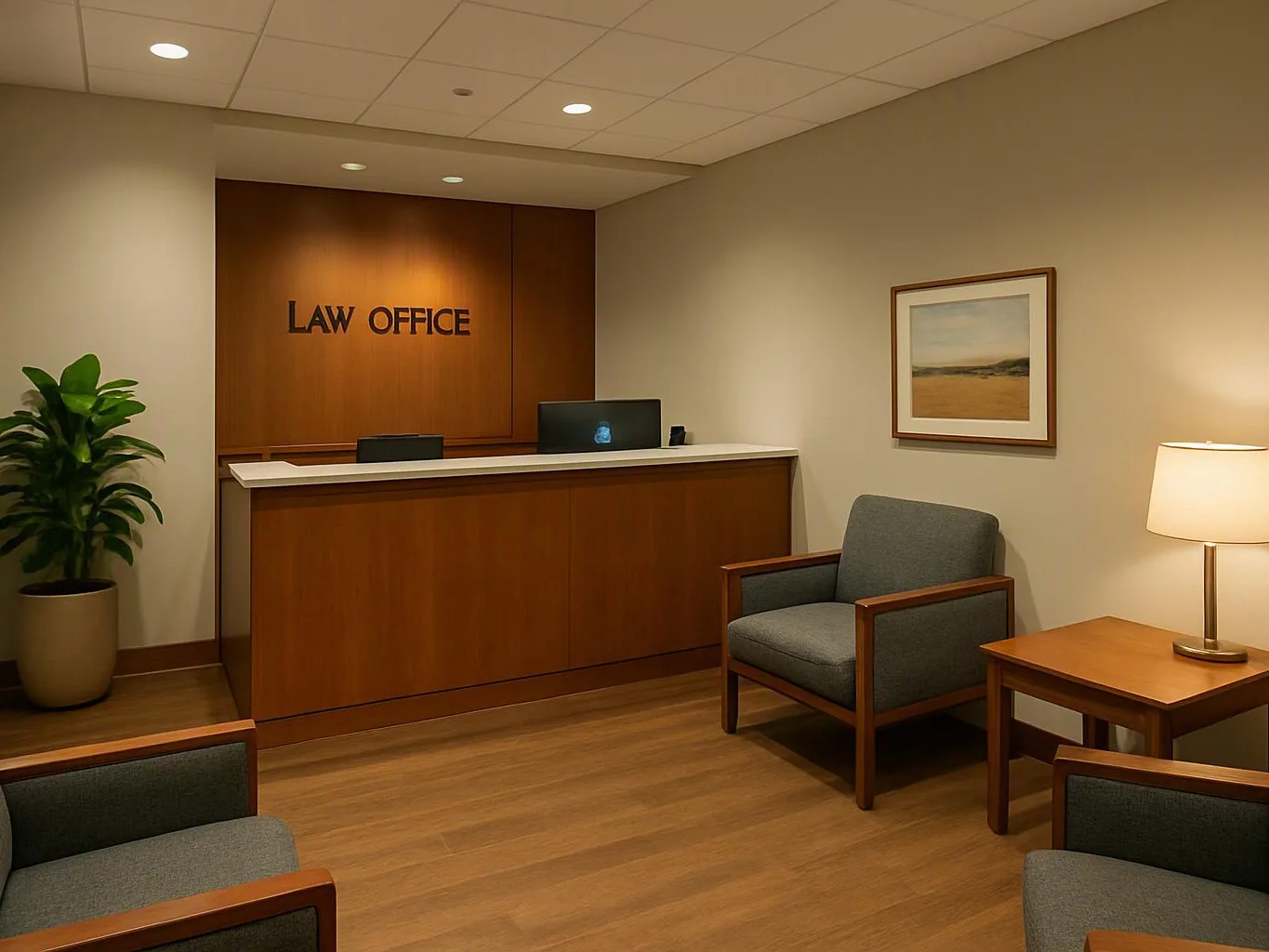
A quiet waiting room has a wood reception desk, gray chairs, a lamp, and a potted plant, with "LAW OFFICE" on the back wall

Service Overview

Brain Injury Claims are legal cases that seek compensation for brain harm linked to a motor vehicle accident.

  • These claims focus on neurological symptoms and medical proof, while a general car accident claim may center on vehicle damage or other injuries.
  • Atlanta Auto Law handles this work for clients in Atlanta and surrounding communities.

What clients receive from this legal approach

Medical evidence review

The decision is whether the records support a clear link between the crash and the brain injury. We compare emergency notes, imaging, treatment, and cognitive findings. This service is the wrong fit when no accident-related injury or legal claim exists.

Attorney-LED case strategy

Atlanta Auto Law provides attorney-led guidance through investigation, demand preparation, insurance negotiation, and litigation decisions. We explain the next step in plain language and keep the focus on the losses tied to the injury.

Support for related accident claims

A brain injury claim may also include a car, truck, motorcycle, rideshare, pedestrian, or bicycle accident claim. We review the full event so the injury evidence is not separated from the conduct that caused it.

A situation this service fits

A person injured in a motor vehicle accident may leave emergency care with symptoms that continue after the first visit. We compare the initial records with later imaging, cognitive testing, and rehabilitation notes, then assess how the condition affects work and daily tasks. The claim may require insurance negotiation, mediation, or trial based on the evidence and the response from the insurer.

Process

How we build the medical record for a brain injury claim

1

Review the accident record

We begin with the police report, accident facts, insurance information, and the injuries reported after the collision.

2

Gather early medical evidence

We collect emergency records and related medical notes that describe symptoms, exams, treatment, and follow-up instructions.

3

Compare later clinical findings

We review imaging scans, rehabilitation records, and cognitive testing when those materials help explain the injury.

4

Document daily and work limits

We identify lost wages, work changes, care needs, and daily tasks affected by the brain injury.

5

Pursue the claim

We prepare the demand, handle insurance negotiation, and assess mediation, discovery, or trial when needed.

What brain injury claims include for accident victims

Atlanta Auto Law provides comprehensive Brain Injury Claims in Atlanta. Here's what you get:

  • We review police reports, medical records, insurance details, and other available accident evidence.
  • We examine emergency records for early reports of confusion, headaches, balance problems, or memory changes.
  • We assess imaging scans and later treatment records as part of the claim review.
  • We organize rehabilitation records and cognitive testing that show ongoing limits.
  • We calculate documented medical expenses, lost wages, pain and suffering, and other accident-related losses.
  • We handle insurance negotiation and pursue litigation when the claim requires discovery, mediation, or trial.

What stronger brain injury evidence changes

A connected medical record gives insurers a clearer account of the injury and its effects.

Early symptoms and later treatment can show how a condition developed after the crash.

Cognitive testing may document limits that are not visible through a standard physical exam.

Rehabilitation records help explain the care, support, and work changes the injury requires.

A documented claim gives you a clearer basis for discussing fair compensation.

Evidence types used in brain injury claim review

Each evidence type answers a different question about symptoms, treatment, or daily impact.

Evidence typeWhat it may showHow we use it
Emergency recordsEarly symptoms, exam findings, and treatmentWe compare the first account with later records
Imaging scansMedical findings linked to the injury recordWe review them with clinical notes and symptoms
Rehabilitation recordsOngoing care and functional limitsWe assess support needs and daily effects
Cognitive testingMemory, attention, and processing problemsWe consider results with work and life changes

The Atlanta Auto Law Standard

  • Initial Consultation
  • Clear Communication
  • Claim Investigation
  • Litigation Representation

Questions about evidence and legal help for brain injuries

What evidence helps establish a brain injury claim?

Neurological exams help establish a brain injury claim when they connect symptoms to the accident and treatment record.

  • Emergency records can show early symptoms.
  • Imaging scans can add medical findings.
  • Rehabilitation records can show ongoing limits.
  • Cognitive testing can document problems with memory or attention.

Atlanta Auto Law reviews these materials with accident records and documented losses.

What should be checked before this legal work is scheduled?

Medical records, accident facts, insurance details, and current symptoms should be checked before legal work begins.

  • Gather the police report and emergency records.
  • Save imaging and follow-up treatment notes.
  • List work changes and medical expenses.
  • Keep names of witnesses and insurers.

Missing documents don't prevent a consultation, because we can explain what to request next.

Who is a good fit for brain injury claim help, and who needs a different service?

People injured in motor vehicle accidents who have documented brain-related symptoms are good fits for this service. A person with only vehicle damage needs property-loss advice, while a family seeking a claim after a death may need wrongful-death guidance. We review the facts before deciding which legal path fits.

What happens at each stage of a brain injury claim?

The process moves from intake and evidence review to claim preparation, negotiation, and possible litigation.

  1. We gather accident and medical records.
  2. We organize symptoms, treatment, and losses.
  3. We prepare the demand and negotiate with the insurer.
  4. We assess mediation, discovery, or trial if needed.

Each stage depends on the facts and available evidence.

How do cognitive testing results affect an injury claim?

Cognitive testing can document limits with memory, attention, processing, or problem solving. Those results give medical records more detail about symptoms that others cannot see. We compare the testing with treatment notes, work effects, and daily activities. The results support the claim only when they fit the broader medical and accident record.

When should medical records be gathered after a crash?

Medical records should be gathered as soon as they are available and kept in order from emergency care through later treatment. Early notes show what was reported first, while rehabilitation records may show ongoing limits. We also review imaging, cognitive testing, prescriptions, and work records when they relate to the claimed injury.

Why might an insurer question a brain injury claim?

An insurer may question a claim when symptoms appear later, records are incomplete, or the accident link is disputed. We compare the full medical timeline with the collision facts and documented losses. A demand letter can then address the evidence, treatment, work impact, and pain and suffering in a structured way.
Contact

Discuss your brain injury claim with Atlanta Auto Law

Schedule a free consultation to review the first medical records and accident evidence, urgent requests get priority scheduling.

ZIP Codes We Serve in Atlanta, Georgia

73 ZIP codes — show all
30301303023030330304303053030630307303083030930310303113031230313303143031530316303173031830320303213032430325303263032730328303313033230334303363033730338303393034230343303443034830349303533035430355303573035830361303633036430368303693037030371303743037530377303783038030384303853038830392303943039630398311063110731126311313113631139311503115631192311933119531196

The information on this website is for general informational purposes only and is not legal advice, does not create an attorney-client relationship, and may not reflect current law in North Decatur, Georgia, United States. Every situation is different; consult a licensed attorney about your specific matter. Prior results do not guarantee a similar outcome.

(678) 235-3870