Skip to content

Insurance Bad Faith Claims in Dunwoody, Georgia

Denial letters in Dunwoody raise a key question: what evidence supports an insurance bad faith claim? We review the claim record and explain your legal options.

Upfront, Transparent PricingServing 52 CommunitiesMon-Sun: Open 24 hoursFast Scheduling

Quick Summary: Insurance bad faith claims in Dunwoody, Georgia

Insurance Bad Faith Claims in Dunwoody are handled by Atlanta Auto Law for people facing unfair insurance claim treatment. The work covers claim evidence, policy review, insurance negotiation, and pursuit of compensation throughout Atlanta and surrounding communities, with free consultations available.

  • What we do: Atlanta Auto Law reviews Insurance Bad Faith Claims evidence for clients in Dunwoody, Georgia, including policy records, denial letters, and adjuster communications.
  • What is included: We assess denied claims, organize supporting records, communicate with insurers, and pursue compensation for covered accident losses.
  • What you get: The client receives a clear assessment of the claim evidence and the legal options for pursuing fair compensation.

What evidence may support an insurance bad faith claim after a denial?

A denial letter, policy documents, adjuster communications, claim timelines, and damage estimates may support an insurance bad faith claim. Medical records and proof of lost wages can also connect the claim to accident-related losses. Atlanta Auto Law reviews these records together because one document rarely explains the full handling of a claim.

Insurance bad faith claims for denied accident coverage

Insurance bad faith claims focus on how an insurer handled a claim after an accident or covered loss. The work may involve a denial, delayed review, poor use of evidence, or a dispute over policy language.

For a buyer in Dunwoody, the main decision is whether the available record supports a claim beyond the original injury case. We review the policy, claim file, medical records, wage proof, and insurer communications before explaining the possible path.

This service fits people who need help with insurer conduct tied to car, truck, motorcycle, rideshare, pedestrian, or bicycle accidents. It does not replace a separate coverage review when no accident-related injury or loss is involved.

  • Read the denial letter and compare its reason with the policy language.
  • Collect adjuster emails, claim notes, recorded statements, and insurer requests.
  • Match medical records and wage proof to the accident-related losses.
  • Compare damage estimates with the amount the insurer accepted or rejected.
  • Set out the next step through negotiation, mediation, or litigation when appropriate.
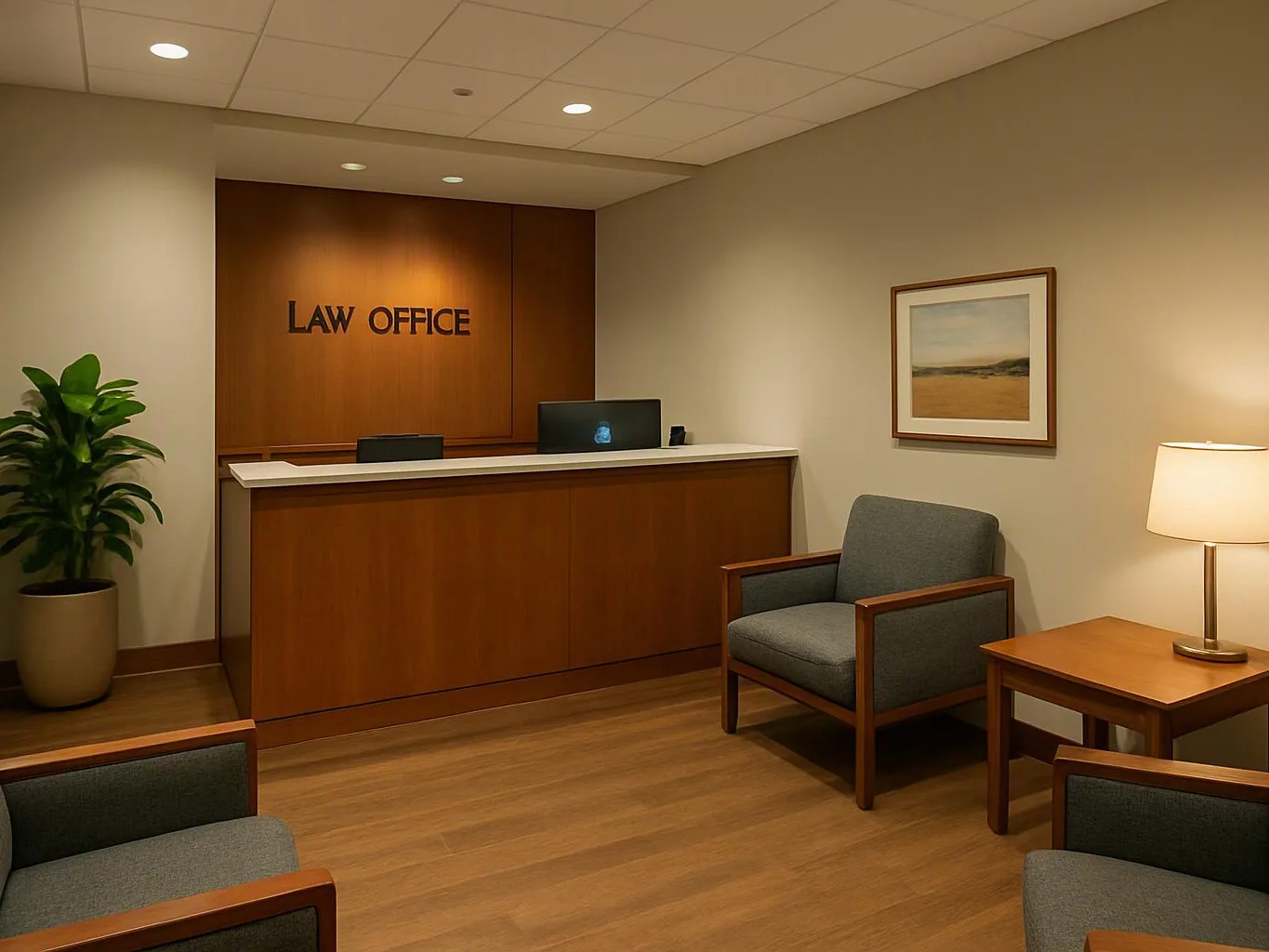
A quiet waiting room has a wood reception desk, gray chairs, a lamp, and a potted plant, with "LAW OFFICE" on the back wall

Service Overview

Insurance bad faith claims are legal claims that address an insurer's unfair handling or denial of covered losses.

  • They differ from a basic accident claim because the focus includes the insurer's conduct and claim decisions, not only the injury.
  • Atlanta Auto Law handles this work for clients in Dunwoody and surrounding Atlanta communities.

What this claim review changes for the injured person

A complete claim record makes it easier to test the insurer's stated reason.

Policy language and claim conduct receive separate review, so important issues do not get mixed together.

Medical expenses, lost wages, pain and suffering, and other accident-related losses receive focused attention.

The client gets a practical view of whether negotiation, mediation, or litigation fits the record.

A written document trail can help preserve the facts behind the insurance dispute.

What an insurance bad faith claim review includes

Atlanta Auto Law provides comprehensive Insurance Bad Faith Claims in Dunwoody. Here's what you get:

  • We review the insurance policy and the stated reason for denial.
  • We organize adjuster communications, claim requests, and insurer responses.
  • We examine claim timelines for gaps, repeated requests, or unexplained decisions.
  • We connect medical records, lost wage proof, and damage estimates to the loss.
  • We prepare a legal position for insurance negotiation, mediation, or trial when the facts support it.
  • We explain the available options during a free consultation.
Process

How we handle the claim evidence

1

Collect the claim record

We gather the policy, denial letter, insurer messages, claim notes, medical records, wage proof, and damage estimates.

2

Compare coverage and conduct

We compare the policy language with the insurer's reason for denial and the information used during the claim review.

3

Connect losses to the accident

We organize medical expenses, lost wages, pain and suffering, and other losses linked to the accident.

4

Choose the legal path

We explain whether insurance negotiation, a demand letter, mediation, discovery, or trial fits the available evidence.

How we approach an insurance bad faith claim

Evidence before legal strategy

The claim record comes first. We compare the policy, denial reason, communications, and loss proof before recommending a path. This service is the wrong fit when the dispute has no connection to an accident-related injury or covered loss.

Attorney-LED claim review

Attorney Ronnie Mabra founded Atlanta Auto Law in 2007 and guides the legal strategy. Our team gives personal attention while reviewing the evidence and explaining each option.

A record built for negotiation

A clear file helps frame the dispute for the insurer. We identify the documents that support the demand and address gaps before insurance negotiation begins.

Claim review compared with an ordinary injury claim

The main difference is whether the legal review focuses only on the accident or also on the insurer's claim conduct.

Claim typePrimary focusKey records
Ordinary injury claimThe accident, fault, and injuriesMedical records, accident evidence, and loss proof
Insurance bad faith claimThe accident losses plus insurer handlingPolicy terms, denial reasons, claim communications, and timelines

The Atlanta Auto Law Standard

  • Initial Consultation
  • Clear Communication
  • Claim Investigation
  • Litigation Representation

Questions about denied insurance claims

What evidence may support an insurance bad faith claim?

Denial letters may support an insurance bad faith claim when they conflict with policy terms or the claim record. Policy documents, adjuster communications, claim timelines, and damage estimates add context. Medical records and wage proof connect the dispute to accident losses. Atlanta Auto Law reviews the full file before explaining the available legal options.

What does Atlanta Auto Law review first after a claim denial?

Atlanta Auto Law reviews the policy and denial reason first. The review then tests the insurer's explanation against claim communications, submitted records, damage estimates, and loss proof. A missing document does not decide the case by itself. We explain which records matter and how to organize them for the next step.

Who is a good fit for this type of claim?

People facing unfair insurer handling tied to accident-related injury or covered loss are a good fit. The file should include some proof of the policy, claim, denial, or insurer communications. A matter about an unrelated contract dispute needs a different legal service. Every case receives an individual review.

What happens at each stage of the claim review?

The claim review starts with intake, then moves to document review, loss analysis, insurer negotiation, and possible litigation. We first collect the policy and claim record. Next, we compare coverage with the insurer's actions. If the facts support it, we prepare a demand, discuss mediation, or proceed through discovery and trial.

How do adjuster communications affect the case?

Adjuster communications show what the insurer asked for and how it handled the responses. Emails, letters, call notes, and recorded statements can reveal the claim's direction. We compare those records with the policy and denial reason. Clients should save every message and avoid altering the original file.

Which records should I bring to a consultation?

Policy documents, denial letters, insurer messages, medical records, wage proof, and damage estimates are useful starting records. Bring the accident report and photographs when available. A complete file helps connect the insurance decision to the losses. Atlanta Auto Law can explain what to gather if records are incomplete.

Why might an insurer dispute part of a damage estimate?

An insurer might dispute a damage estimate because it reads the policy differently or questions the amount of loss. The estimate must be compared with repair records, photographs, policy terms, and the insurer's stated reason. In Dunwoody, clients should keep both the original estimate and every revised version.
Contact

Discuss an insurance bad faith claim in Dunwoody

Are you dealing with a denied claim or disputed payment? Atlanta Auto Law offers a free consultation, and urgent requests get priority scheduling.

Insurance Bad Faith Claims in Other Areas

The information on this website is for general informational purposes only and is not legal advice, does not create an attorney-client relationship, and may not reflect current law in North Decatur, Georgia, United States. Every situation is different; consult a licensed attorney about your specific matter. Prior results do not guarantee a similar outcome.

(678) 235-3870