
Skip to content

Insurance Bad Faith Claims in Roswell, Georgia

Denial letters need a careful record review before you respond in Roswell. We examine the policy, claim file, and insurer communications to identify evidence that may support your position.

Upfront, Transparent PricingServing 52 CommunitiesMon-Sun: Open 24 hoursFast Scheduling

Quick Summary: Insurance Coverage Disputes in Roswell, Georgia

Insurance bad faith claims in Roswell are handled by Atlanta Auto Law for people facing disputed or denied accident insurance claims. We review policy documents, adjuster communications, claim timelines, and damage estimates, with free consultations available.

  • What we do: Atlanta Auto Law reviews insurance bad faith claims and related claim records for clients in Roswell, Georgia.
  • What is included: denial-letter review, policy document analysis, adjuster communication review, claim timeline analysis, and damage estimate assessment.
  • What you get: The client receives a clear record of the claim evidence and the legal options that fit the dispute.

What evidence may support an insurance bad faith claim in Roswell, Georgia?

Denial letters, policy documents, adjuster communications, claim timelines, and damage estimates may support an insurance bad faith claim when they show how the insurer handled the claim.

Insurance Bad Faith Claims for Denied Accident Coverage

Insurance bad faith claims focus on the record behind an insurer's decision. This page is for people who received a denial letter or faced a claim process that does not match the available records.

The key decision is whether the file supports a legal review of the insurer's conduct. We examine the policy documents, adjuster communications, claim timeline, and damage estimates before discussing the next step.

A claim review does not replace the underlying injury case. Medical expenses, lost wages, pain and suffering, and other accident losses may require separate analysis. The evidence must show how the insurance dispute connects to the covered loss and the insurer's actions.

  • Keep the denial letter and every later message from the insurer.
  • Collect the policy, claim number, damage estimates, and related accident records.
  • Write down key calls, requests, responses, and changes in the claim position.
  • Bring medical bills and wage-loss records when the dispute follows an injury accident.
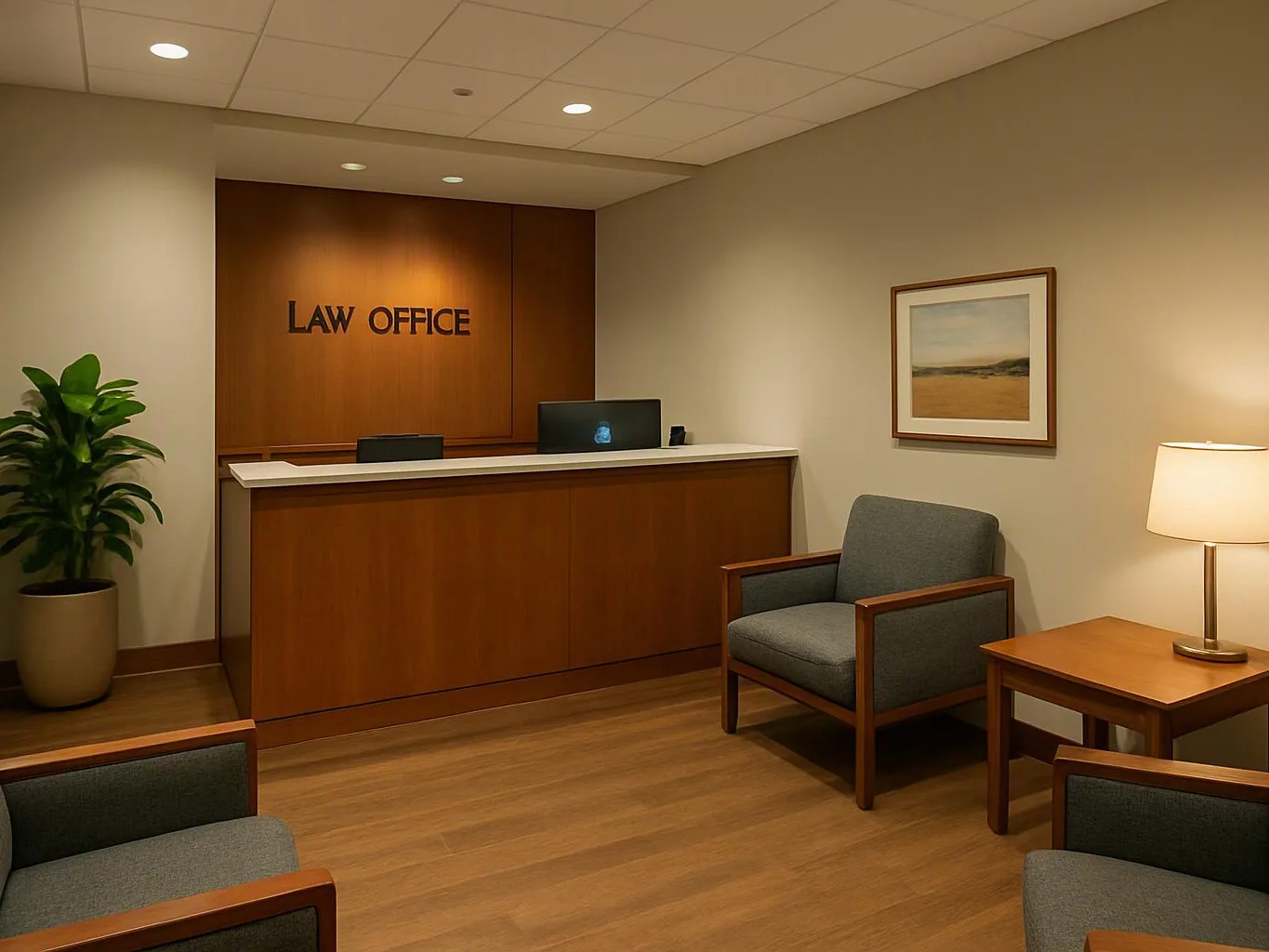
A quiet waiting room has a wood reception desk, gray chairs, a lamp, and a potted plant, with "LAW OFFICE" on the back wall

Service Overview

Insurance bad faith claims are legal claims that address an insurer's handling of a covered claim.

  • They differ from a standard injury claim because the focus includes the insurer's conduct and claim decisions, not only the accident harm.
  • Atlanta Auto Law handles these disputes for clients in Roswell and surrounding communities.

What This Claim Review Helps You Decide

A focused record review shows which documents support your position and which gaps need attention.

A claim timeline helps separate a simple delay from a dispute that needs deeper legal review.

Policy language receives direct attention, so the discussion centers on the actual coverage terms.

You receive clear legal options before deciding how to address the insurer.

A free consultation gives you a way to discuss the dispute without an upfront consultation charge.

What a Denied Claim Review Includes

Atlanta Auto Law provides comprehensive Insurance Bad Faith Claims in Roswell. Here's what you get:

  • We review the denial letter and compare its stated reason with the policy documents.
  • We organize adjuster communications, including letters, emails, texts, and recorded claim requests.
  • We build a claim timeline from the first notice through the insurer's latest decision.
  • We examine damage estimates and related records that support the claimed loss.
  • We discuss insurance negotiation, a demand letter, mediation, or litigation when the evidence supports that path.
Process

How We Review The Claim Record

1

Gather the claim documents

We collect the denial letter, policy papers, claim notices, adjuster messages, estimates, and accident records.

2

Map the insurer's timeline

We place requests, responses, submitted records, and claim decisions in order. This shows what the insurer knew at each point.

3

Compare the denial with coverage

We read the stated reason against the policy language and the records supporting the loss.

4

Assess the supporting evidence

We examine damage estimates, medical bills, wage records, and related proof for consistency and relevance.

5

Discuss the legal options

We explain whether insurance negotiation, a demand letter, mediation, or litigation fits the record. Cases are handled under a contingency-fee agreement, so clients pay no fees unless we win their case.

How We Approach Insurance Coverage Disputes

Start with the written denial

The denial letter gives the review a defined starting point. We compare its explanation with the policy and claim record, then identify questions that need answers.

Trace the claim record

Adjuster messages and claim timelines often show what information the insurer received and when decisions changed. We place those records in order before discussing strategy.

Use an attorney-LED review

Ronnie Mabra founded Atlanta Auto Law in 2007 and brings legislative experience from serving as a former Georgia State Representative. The firm also holds membership in the Million Dollar Advocates Forum and BBB Accreditation.

Know when this is the wrong fit

This service is not a substitute for every coverage dispute or injury claim. If the file does not involve an insurer's handling of a covered loss, another legal review may fit better.

Records Compared During A Denial Review

Each record answers a different question about the insurer's decision and the claimed loss.

RecordQuestion it answersHow we use it
Policy documentsWhat coverage terms apply?Compare the denial with the policy language.
Adjuster communicationsWhat did the insurer request or say?Track information requests and responses.
Claim timelinesWhen did each event occur?Place notices, records, and decisions in order.
Damage estimatesWhat loss was reported?Compare the claimed damage with supporting records.

The Atlanta Auto Law Standard

  • Initial Consultation
  • Clear Communication
  • Claim Investigation
  • Litigation Representation

Questions About Denied Insurance Claims

What evidence may support an insurance bad faith claim?

Denial letters may support an insurance bad faith claim when the stated reason conflicts with the policy or claim record.

  • Policy documents show the relevant coverage terms.
  • Adjuster communications show requests and responses.
  • Claim timelines show when information reached the insurer.
  • Damage estimates and injury records support the reported loss.

Atlanta Auto Law reviews these materials together because one document rarely tells the whole story.

How does a denied claim move from the first call to the last step?

A denied claim moves from intake and document collection to record review, strategy, negotiation, mediation, or litigation.

  1. We gather the policy, denial, communications, and loss records.
  2. We build the claim timeline and identify disputed facts.
  3. We discuss the legal path that fits the evidence.

The next step depends on the file and the client's goals.

Which part of the claim decides the review scope?

The claim record decides the review scope, especially the denial reason, policy language, communications, and evidence of loss. A narrow coverage question may need different work from a dispute involving an injury claim and several records. Our team defines the documents to review after learning how the insurer handled the claim.

Which document can change how much review is needed?

The denial letter can change the review because its stated reason sets the main coverage issue. A short letter may point to policy language, missing records, or a factual dispute. We compare that explanation with the full policy, claim file, and adjuster messages before discussing the work involved.

What should I bring to a free consultation?

A free consultation is more useful when you bring the denial letter, policy documents, adjuster messages, and records of the loss. Add accident reports, medical bills, wage records, and damage estimates when they relate to the dispute. Atlanta Auto Law can review the material you have, so you do not need a perfect file before requesting a consultation.

When should I preserve adjuster communications?

Preserve adjuster communications as soon as a coverage issue or denial appears. Save emails, letters, portal messages, texts, and call notes without editing them. Include the date and sender when possible. A complete record helps show what information the insurer requested, what you supplied, and how the claim position developed.

Why do injury records matter in an insurance dispute?

Injury records matter because they connect the insurance dispute to the losses caused by the accident. Medical bills, treatment records, wage information, and accident reports can help describe the claimed harm. They do not replace the policy analysis, but they give the claim review a clearer picture of the damages tied to the denial.
Contact

Discuss Your Denied Insurance Claim in Roswell

Schedule a free consultation with Atlanta Auto Law, and urgent requests get priority scheduling.

ZIP Codes We Serve in Roswell, Georgia

300753007630077

Insurance Bad Faith Claims in Other Areas

The information on this website is for general informational purposes only and is not legal advice, does not create an attorney-client relationship, and may not reflect current law in North Decatur, Georgia, United States. Every situation is different; consult a licensed attorney about your specific matter. Prior results do not guarantee a similar outcome.

(678) 235-3870