Bicycle Accident Claims: A General Guide
Bicycle accident claims require organized evidence, a clear account of fault, documented injuries, and a damages review. Atlanta Auto Law evaluates the crash circumstances, road conditions, available records, and claim documentation to help determine the next steps. Free Consultations are available.
Written by Ronnie Mabra
Request an EstimateAuthor: Ronnie Mabra
What Is a Bicycle Accident Claim?
A bicycle accident claim is a legal request for compensation based on injuries or losses caused by another party's negligent conduct. Atlanta Auto Law reviews a cyclist's collision with a motor vehicle or other source of harm to assess negligence, liability, and personal injury damages.
A bicycle accident claim may be an insurance claim or a civil claim. The claim can address bodily injury, property damage, and financial losses when the evidence connects those losses to the crash.
Our team can review Bicycle Accident Claims by examining the crash account, available records, and the legal issues that may affect recovery.
What Should You Do After a Bicycle Crash?
A bicycle crash requires prompt attention to safety, medical care, and evidence preservation. The steps below help protect information that may later support a claim.
Do not repair or discard damaged equipment before its condition is documented. We use preserved evidence to compare the physical scene with the accounts provided by the cyclist, driver, and witnesses.
How We Evaluate a Bicycle Accident Claim
Atlanta Auto Law evaluates a bicycle accident claim through a liability analysis, collision evidence review, medical records review, insurance coverage review, and damages assessment.
We compare the accounts of the cyclist and driver with photographs, video footage, witness evidence, the police report, and available physical records. We also examine whether the available insurance coverage can respond to the claimed losses.
Medical records help connect the bodily injury to the collision and show the course of medical treatment. We organize those records with bills, property damage information, employment records, and other claim documentation.
How Fault Can Be Established
Fault can be established when evidence shows that negligence, such as unsafe driver behavior or a traffic-law violation, caused the collision. Right of way rules may help explain which road user had the duty to yield or proceed safely.
We examine traffic rules, driver conduct, vehicle movement, visibility, and the available witness statement. Comparative fault may reduce recovery when the evidence assigns part of the responsibility to the cyclist, so we address disputed conduct directly.
How Road Conditions Affect a Bicycle Accident Claim
Road conditions can affect a bicycle accident claim when a pothole, debris, road defect, or poor visibility contributes to the crash. Road maintenance records and photographs may help show how the hazard existed and whether it was reported or addressed.
We assess whether a government entity, property owner, driver, or another party may bear responsibility for the road hazard. Notice rules and other legal requirements can affect a road-defect bicycle claim, so the location and condition of the hazard must be documented carefully.
What Evidence Supports a Bicycle Accident Claim?
Evidence supports a bicycle accident claim by showing what happened, who may be responsible, and how the collision affected the cyclist. We organize each record by its connection to liability, injury, or damages.
| Evidence | What it may show |
|---|---|
| Photographs | The crash scene, road conditions, vehicle position, visible injuries, and property damage. |
| Video footage | Vehicle movement, traffic signals, right of way, and the moments before or during the collision. |
| Witness statements | Independent accounts of driver behavior, visibility, traffic rules, and the impact. |
| Medical records | The diagnosis, medical treatment, injury progression, and related medical bills. |
| Repair records | The condition and repair needs of the bicycle and damaged equipment. |
| Employment records | Work missed, reduced earnings, and other proof of lost income. |
| Police report | Reported accounts, roadway details, involved parties, and the investigating officer's observations. |
Evidence should be preserved in its original form when possible. We review the records together because one photograph or statement may carry more meaning when compared with the medical and collision evidence.
How Are Injuries and Damages Documented?
Injuries and damages are documented through medical records, treatment records, bills, employment information, and evidence of daily limitations. We use this material to connect the bodily injury to the collision and evaluate the full effect on the cyclist.
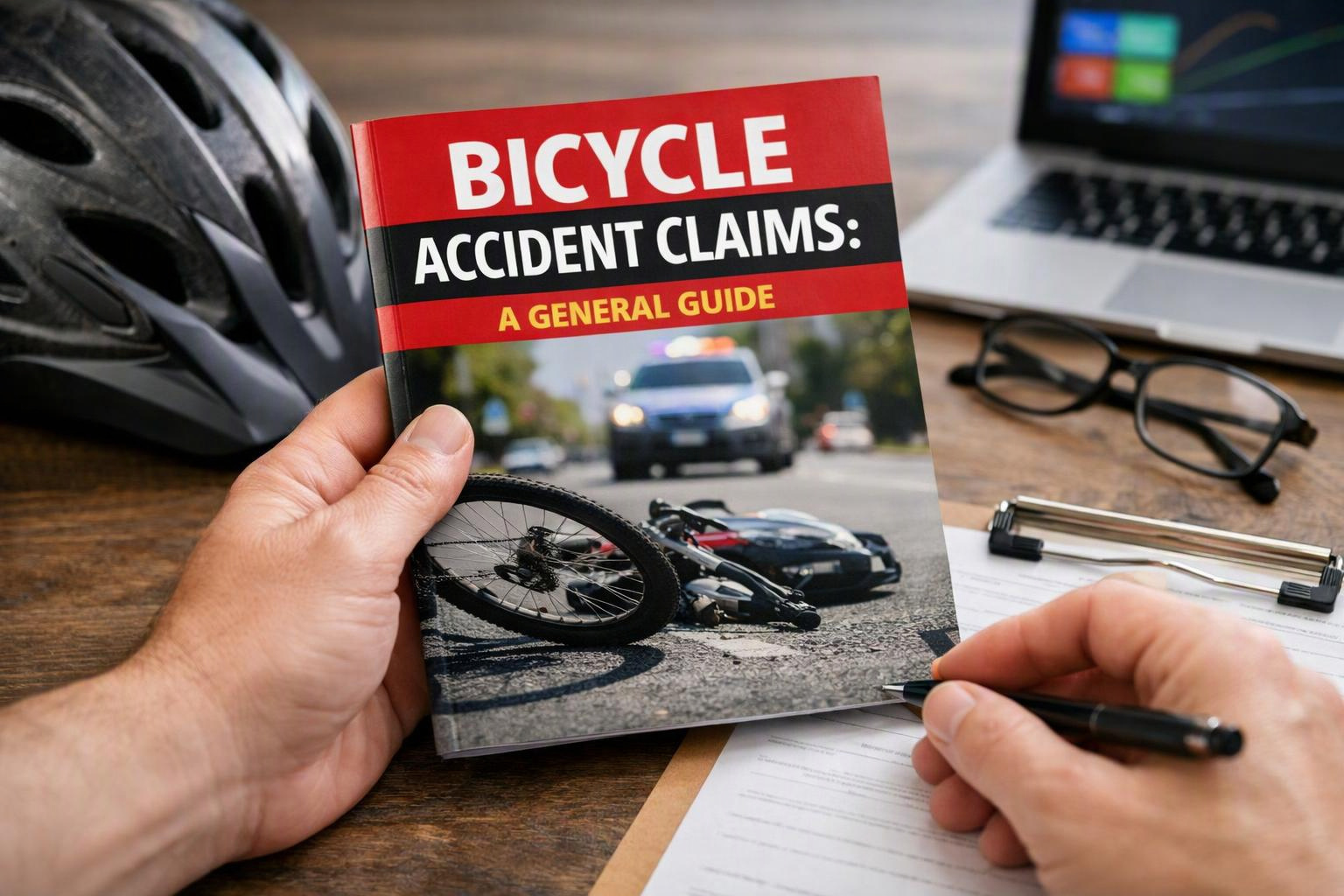
Damages may include medical expenses, pain and suffering, lost income, and property damage to the bicycle, helmet, clothing, or other equipment. Future losses may require medical opinions, work information, or other records that explain the expected impact.
Consistent injury documentation helps address questions from an insurance adjuster. We also review gaps or changes in medical treatment so the claim presents a clear account of the recovery process.
How We Prepare and Pursue a Bicycle Accident Claim
Atlanta Auto Law prepares and pursues a bicycle accident claim by moving from case intake through evidence review, damages assessment, and the appropriate resolution path.
Each claim also requires attention to the applicable statute of limitations. We identify deadline issues during the case review so claim preparation does not overlook a legal time limit.
What Should You Gather Before a Claim Review?
A claim review is more useful when the cyclist brings organized information about the incident, injuries, insurance, property, and income. The following checklist helps collect the records we use to begin an evidence review.
Do not edit photographs or delete messages related to the crash. We can sort the materials after they are preserved and identify which records need further review.
What Can Change the Value of a Bicycle Accident Claim?
The value of a bicycle accident claim depends on the injury impact, proof of fault, documented losses, available coverage, and the strength of the supporting evidence.
Severity of injury and medical prognosis affect the type and extent of damages that may be supported. Fault allocation also matters because comparative fault can affect recovery when responsibility is divided.
Available insurance coverage, documented medical expenses, lost income, property damage, pain and suffering, and possible future losses all shape the damages review. We compare those factors with the evidence before making decisions about a claim demand or settlement.
Common Questions About Bicycle Accident Claims
Can I make a bicycle accident claim if I was not wearing a helmet?
Atlanta Auto Law can review a bicycle accident claim even when the cyclist was not wearing a helmet. The effect of helmet use depends on the injury, the evidence, applicable law, and whether comparative fault is disputed.
What if the driver who hit my bicycle left the scene?
A hit-and-run bicycle collision should be reported promptly and documented with photographs, witness contacts, video footage, and medical records. We review possible insurance coverage and investigate evidence that may identify the vehicle or driver.
Can I pursue a claim when poor road conditions contributed to the crash?
Yes, a claim may be possible when a road defect, pothole, debris, or poor visibility contributed to the crash. We examine the road condition, notice evidence, maintenance records, and legal rules that may apply to a government entity or another responsible party.
What happens if an insurance company contacts me after a bicycle accident?
An insurance company may request an account of the collision, medical information, or a recorded statement after a bicycle accident. Preserve the communications and review the request carefully before making statements about fault, injuries, or settlement.
Can a bicycle accident claim include damage to my bicycle and equipment?
Yes, a bicycle accident claim can include property damage to the bicycle and related equipment when the evidence supports the loss. Keep photographs, repair records, purchase information, and the damaged items so we can assess the property claim with the injury damages.
A bicycle accident claim needs a clear account of the crash, preserved evidence, injury documentation, and a careful review of liability and damages. Contact Atlanta Auto Law for a Free Consultations review of your claim and next steps.
Get a Free Estimate