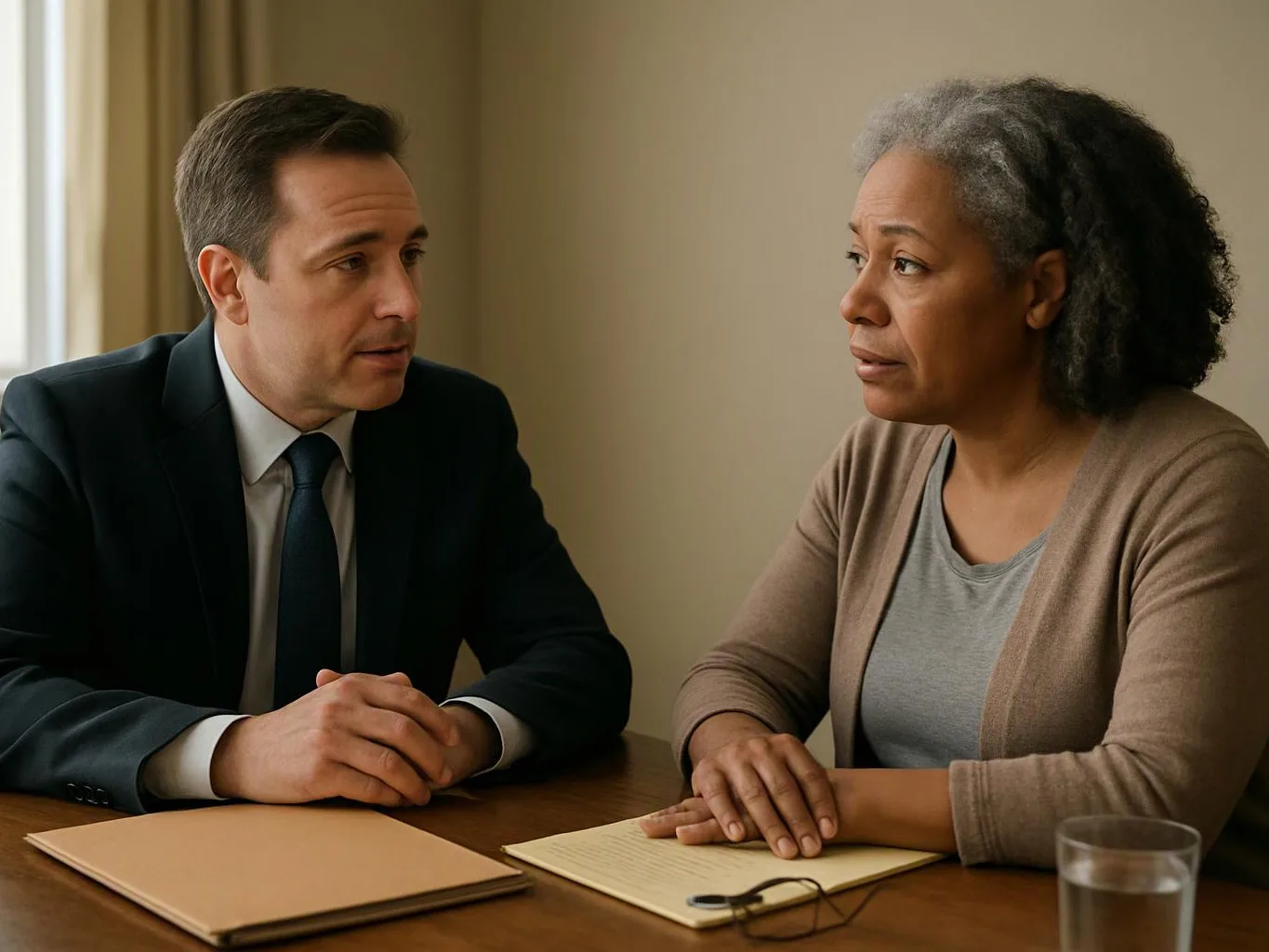
How to Choose a Personal Injury Attorney
Choosing a personal injury attorney means reviewing case experience, communication, legal strategy, fee terms, and fit for your injury claim; Atlanta Auto Law uses this process to help clients make an informed decision and offers Free Consultations.
Written by Ronnie Mabra
Request an EstimateWhat Should You Look for in a Personal Injury Attorney?
A personal injury attorney should have relevant experience, explain the legal process clearly, communicate consistently, and show how the attorney's approach fits your injury claim.
Start with a case evaluation that focuses on the facts of your accident, the nature of your injury, and the evidence available. Personal injury law can involve insurance claims, settlement discussions, court filings, and litigation, so the attorney should explain how each step may apply to your case.
We discuss the legal process in plain language and identify the issues that may affect liability and damages. Our team also explains who will handle your case and how client communication will work.
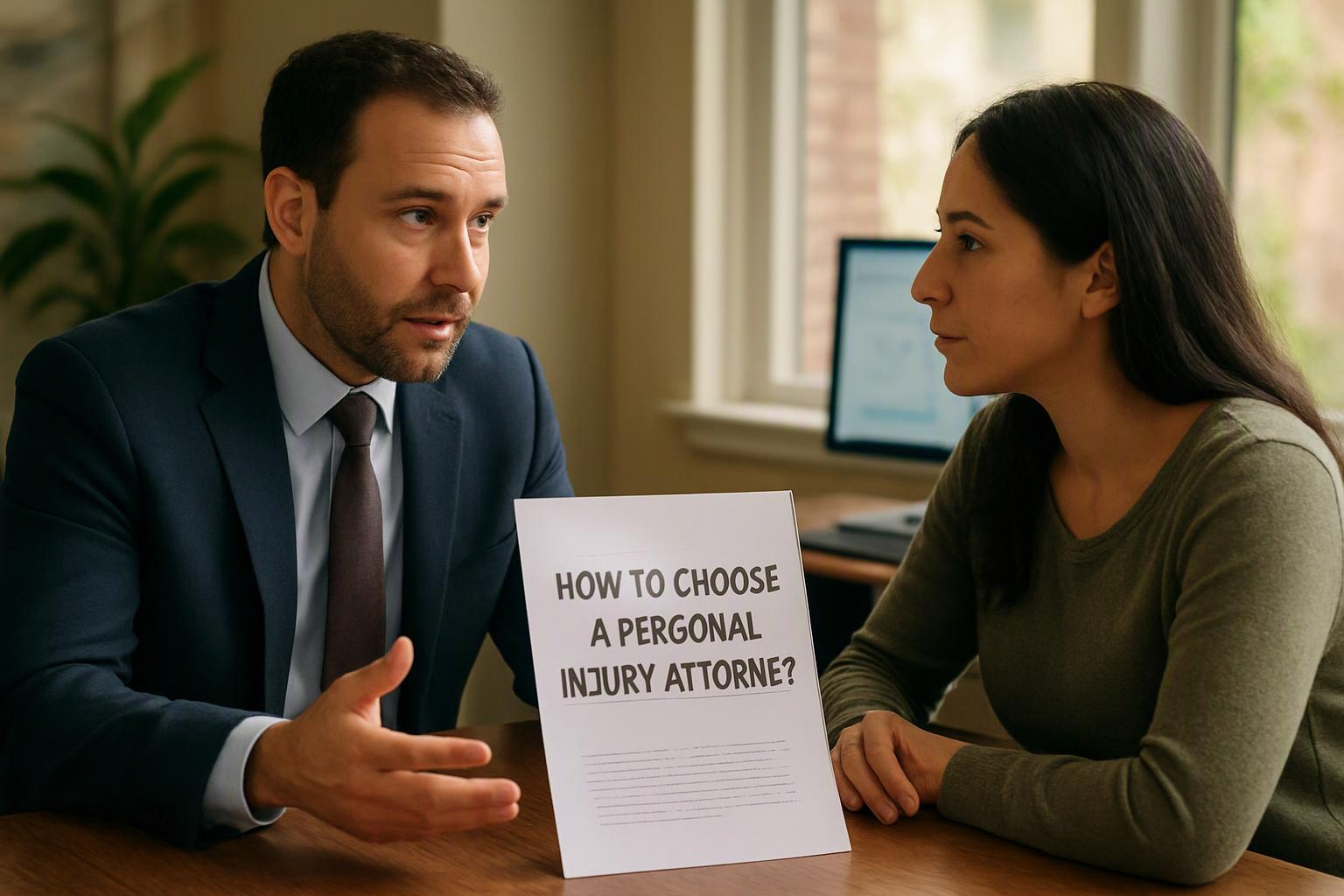
How Do You Check an Attorney's Experience With Your Type of Injury Claim?
You check an attorney's experience by asking about similar injury claims, the evidence those claims required, the insurers involved, and the legal steps the attorney handled.
Relevant experience should match the facts of your claim. Ask how the attorney approaches the following types of matters:
We look at the evidence needed for the claim and the legal decisions that may follow. This review helps connect an attorney's experience to your actual case instead of relying on general advertising.
Which Questions Should You Ask Before Hiring a Personal Injury Attorney?
The most useful questions cover who will handle the case, how updates work, what evidence matters, how decisions are made, and what the legal fee arrangement includes.
Write down your questions before the consultation so you can compare the answers with your needs. Clear answers can also reveal whether the attorney's case strategy and communication style are a good fit.
We explain our role, the expected decision points, and the responsibilities involved in representation. You should understand the agreement before deciding whether to hire an attorney.
How Does a Personal Injury Attorney Work With Medical Care?
A personal injury attorney works with your medical care by using treatment records, medical opinions, and billing information to document the injury and connect it to the incident.
Medical treatment creates a record of the diagnosis, symptoms, care plan, and recovery. Medical records and medical bills can help show the nature of the injury and the financial effect of the care.
We organize injury documentation and review whether the medical evidence supports causation. Our team also considers gaps in treatment, prior conditions, and information that may affect the insurance claim.
Medical providers make treatment decisions, while we use the resulting documentation to evaluate liability and damages. This coordination helps keep the legal strategy connected to the medical evidence.
When Do You Need Legal Help Alongside Medical Treatment?
You may need a personal injury attorney alongside medical treatment when the injury is serious, liability is disputed, an insurer requests a statement, or the claim involves lasting harm.
Legal representation can help protect evidence while medical care continues. These situations often require both medical documentation and a careful review of fault.
We help organize the claim while you follow the treatment plan from your healthcare providers. Contacting us early can also support evidence preservation when liability or the insurance position is unclear.
How Do Legal Representation and Medical Documentation Work Together?
Legal representation and medical documentation work together by connecting treatment evidence to liability, insurance negotiation, and damages.
The two services may develop together as the claim investigation progresses. Our team uses the available medical evidence to shape legal strategy and identify what additional documentation may be important.
We review how the treatment plan affects the claim and how the claim's legal needs affect evidence preservation. Cost depends on the work required, the issues in dispute, and the services included in the fee arrangement.
When Should You Contact a Personal Injury Attorney?
You should contact a personal injury attorney when an accident causes significant harm, fault is unclear, an insurer contacts you, or evidence may become difficult to preserve.
An insurance company may ask for a statement or request access to information before the claim is fully understood. We can explain what the request means and help protect the evidence needed for the personal injury claim.
The statute of limitations can restrict how long you have to bring a legal claim. Because the deadline depends on the facts and governing law, prompt legal guidance helps identify issues that may affect your rights.
How Does Atlanta Auto Law Evaluate Whether We Are a Good Fit?
Atlanta Auto Law evaluates the incident, injury documentation, liability issues, insurance position, and legal needs during Free Consultations before discussing the next step.
We begin with the case facts and ask how the incident happened, what injuries were diagnosed, and what communications you have received from the insurance company. Our team then considers the available evidence and the issues that may require further claim investigation.
We also discuss client communication, legal strategy, settlement negotiation, and the possibility of litigation when those issues apply. The goal is to give you a clear basis for deciding whether our legal representation fits your needs.
What Should You Review Before You Hire an Attorney?
Before hiring a personal injury attorney, review the representation agreement, fee arrangement, communication process, case responsibilities, and decision-making authority.
Read each section carefully and ask about language that does not match what you discussed. The agreement should make the working relationship clear before legal work begins.
We explain the agreement and answer questions about responsibilities before moving forward. You should know how settlement decisions are made and what authority remains with you throughout the case.
Questions About Choosing a Personal Injury Attorney
What should I bring to a consultation with a personal injury attorney?
Atlanta Auto Law can review accident information, insurance communications, medical records, medical bills, photographs, witness details, and other evidence you have available. Bring the documents in an organized form when possible, but do not delay contacting us if some information is not yet available.
Can I change personal injury attorneys after hiring one?
Yes, changing personal injury attorneys may be possible, but the decision can involve the representation agreement, court rules, liens, and work already completed. Review the situation with legal counsel before ending the current representation so the change does not harm the claim.
Should I speak with an insurance adjuster before contacting a personal injury attorney?
You should consider contacting a personal injury attorney before giving a recorded statement or signing documents requested by an insurance adjuster. An attorney can explain the request and help you avoid statements that may be taken out of context.
What happens after a personal injury attorney accepts a case?
After a personal injury attorney accepts a case, the legal team usually reviews the facts, preserves evidence, gathers medical documentation, communicates with insurers, and develops a claim strategy. The next steps depend on liability, treatment, damages, and whether settlement negotiation or litigation is required.
How can I tell whether a personal injury attorney understands my type of claim?
You can assess a personal injury attorney's understanding by asking about similar claims, the evidence involved, the insurance issues, and the legal strategy for your facts. The attorney should explain the process clearly and connect the experience to your injury documentation and liability questions.
Choosing legal representation is a case-fit decision involving experience, communication, medical documentation, insurance handling, and legal strategy. Contact Atlanta Auto Law through our contact page to discuss your injury claim and request a Free Consultation.
Ronnie Mabra