Product Liability Claims: A General Guide
Product liability claims seek accountability for injuries caused by defective products, and Atlanta Auto Law helps evaluate the product, evidence, responsible parties, and available legal options.
Written by Ronnie Mabra
Request an Estimate
Author: Ronnie Mabra
What Are Product Liability Claims?
A product liability claim is a legal claim that seeks compensation for harm caused by a defective product or by inadequate product warnings or instructions.
A product liability claim may involve an injury caused by a product that was unsafe when designed, made, sold, or used in a reasonably foreseeable way. The manufacturer and seller may have duties related to product safety, instructions, and warnings.
We examine how the product reached the consumer, how it was used, and whether the product condition caused the injury. This type of personal injury claim can involve strict liability, negligence, or breach of warranty, depending on the facts and applicable law.
Which Product Defects Can Support a Claim?
A product liability claim may involve a dangerous design, a manufacturing error, or inadequate warnings and instructions, depending on the facts and applicable law.
A design defect exists when the product's planned design creates an unreasonable danger. A manufacturing defect can occur when an otherwise safe design is changed by an error during production.
A marketing defect may involve a failure to warn about a known risk or a failure to provide usable product instructions. We consider whether the injury resulted from a foreseeable use and whether a clear warning could have addressed the danger.
A product recall may support an investigation, but a recall alone does not automatically establish liability. We review the recall information, the product involved, and the facts of the incident.
Who May Be Responsible for a Defective Product?
Potentially responsible parties can include manufacturers, component makers, distributors, and sellers connected to the product's supply chain.
The manufacturer may be responsible for a defective finished product or a dangerous design. A component manufacturer may be involved when a defective part contributed to the injury.
A distributor, retailer, or other seller may also matter because each business can have a role in the chain of distribution. We identify each potentially responsible party and examine how the product was marketed, handled, and sold.
How Do We Evaluate a Product Liability Claim?
We evaluate a product liability claim by connecting the incident, the product condition, the responsible parties, and the resulting losses.
Our team also considers the applicable statute of limitations and other legal deadlines. Early evidence preservation can help protect the product and the records needed for a fair evaluation.
What Evidence Should You Preserve After a Product Injury?
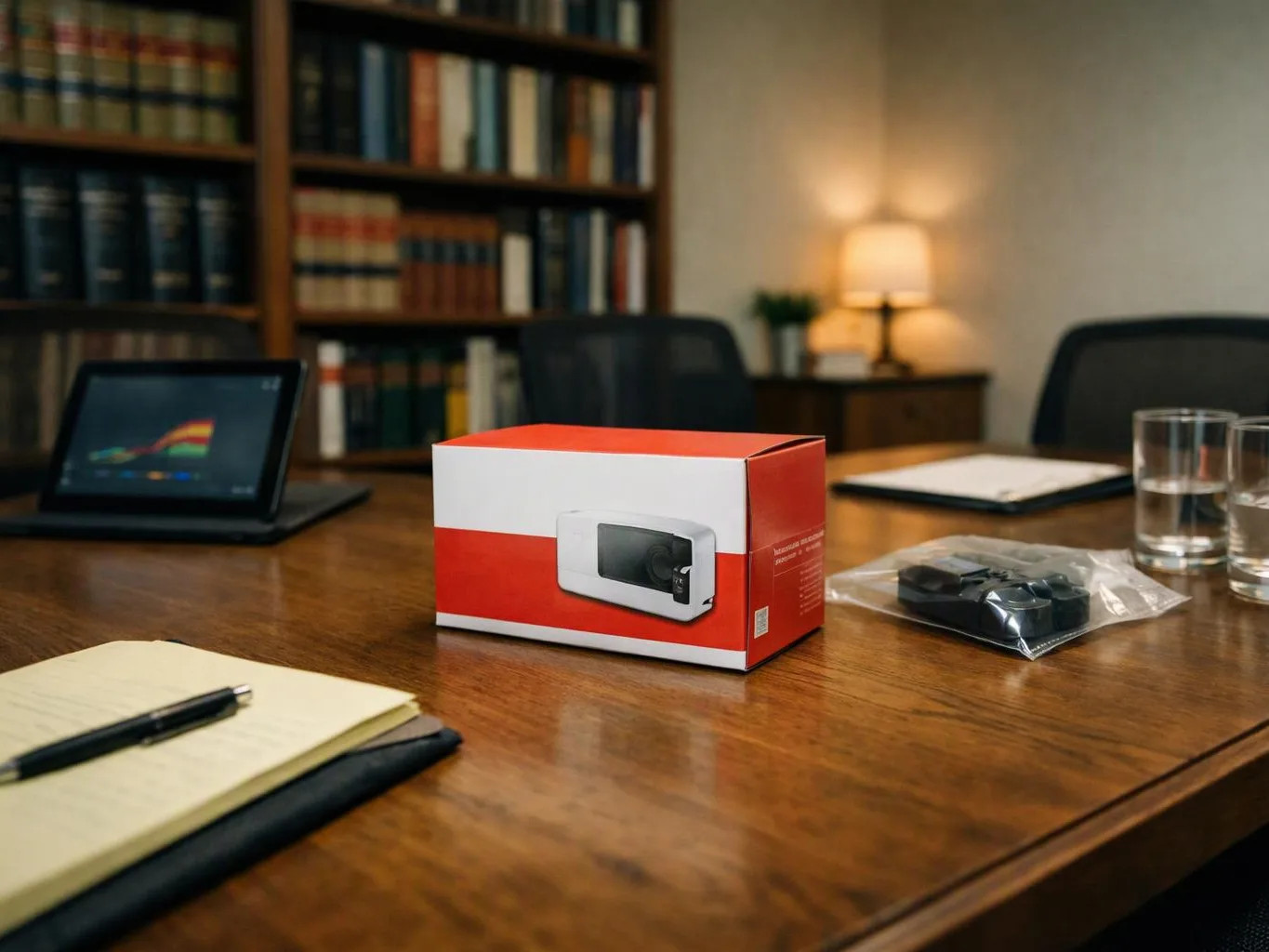
Preserve the product, packaging, instructions, purchase records, photographs, medical records, and witness information because each item may help establish defect, use, causation, or damages.
Evidence preservation begins with keeping the product in its current condition. Do not discard, repair, alter, or give away the product without discussing preservation with our team.
Save the warning label, instruction manual, packaging, purchase receipt, and proof of purchase. Photograph the product, the incident scene, and visible injuries when safe to do so.
Medical records and treatment information can connect the incident to the injury and help document damages. Witness names and contact information may also help confirm what happened.
Product Liability Claim Documentation Checklist
A product liability claim becomes easier to evaluate when incident records and product documentation are collected in an organized file.
Before the claim review begins, gather the following items when they are available:
We organize these materials with the product and incident facts to identify gaps, test causation, and document damages.
What Happens During a Product Liability Claim?
A product liability claim usually moves through review, evidence preservation, investigation, records collection, and a decision about settlement or litigation.
| Stage | What We Review | Purpose |
|---|---|---|
| Claim review | Incident facts, product details, and initial injury information | Identify possible legal claims and responsible parties |
| Evidence preservation | Product, packaging, labels, instructions, and photographs | Protect evidence of product condition and use |
| Product testing | Product design, components, manufacturing, and failure evidence | Evaluate the possible defect and causation |
| Records collection | Medical, employment, purchase, and incident records | Document injury-related losses |
| Insurance claim | Coverage, liability position, and supporting evidence | Present the claim and protect the client's interests |
| Settlement negotiation | Liability proof, medical records, and documented damages | Evaluate and negotiate a possible resolution |
| Litigation | Court filings, discovery, testimony, and expert evidence | Pursue the claim through the court process when appropriate |
We explain each stage as the investigation develops. The available path depends on the evidence, applicable law, insurance coverage, and the positions taken by responsible parties.
What Damages May a Product Liability Claim Address?
Damages in a product liability claim may address accident-related medical care, income loss, physical pain, emotional harm, property damage, and other legally recognized losses.
Medical expenses can include treatment connected to the product injury. Lost income and future earning capacity may address work missed or reduced ability to earn.
Other possible damages include pain and suffering, emotional distress, and property damage caused by the incident. When a product injury causes a death, the claim may involve wrongful death damages under applicable law.
We document economic damages and non-economic damages through records, treatment information, work history, and the facts of the injury.
What Can Affect the Value and Outcome of a Claim?
The value and outcome of a product liability claim depend on the injury, defect evidence, causal connection, responsible parties, applicable law, and documented losses.
The severity of the injury and the strength of the evidence can affect how the claim is evaluated. We examine whether the product defect caused the injury and whether other events contributed to the harm.
Comparative fault may matter if the product was used in a way that contributed to the incident. Insurance coverage, the number of responsible parties, and the legal deadline can also affect the available options.
We address these factors through evidence review, liability investigation, and damages documentation. We do not assume that a product recall or an injury alone proves every part of a claim.
How Can Atlanta Auto Law Help With a Product Liability Claim?
Atlanta Auto Law reviews the incident, preserves relevant evidence, investigates potential liability, documents damages, and explains available legal options for a product liability claim.
Our team can review the product documentation, purchase information, medical records, photographs, and witness information. We work to identify the defect theory, the chain of distribution, and the evidence needed to evaluate causation.
We also help organize the injury claim and communicate with responsible parties or insurers when appropriate. Product Liability Claims can involve technical evidence, multiple parties, and strict legal deadlines, so early legal review can help protect the claim.
Atlanta Auto Law offers Free Consultations so we can discuss the incident, available evidence, and possible next steps.
Common Questions About Product Liability Claims
What should I do if a product injures me?
Atlanta Auto Law recommends preserving the product, getting appropriate medical care, documenting the incident, and keeping related records. Do not alter or discard the product, packaging, warnings, or instructions before the evidence is reviewed.
Can I file a product liability claim without the original receipt?
Yes, a product liability claim may still be possible without the original receipt if other evidence helps identify the product, purchase, use, injury, and responsible parties. Account records, order confirmations, photographs, witness information, and product markings may help establish those facts.
How do I prove that a defective product caused my injury?
Proof usually requires evidence of the product condition, how the product was used, the injury, and the connection between the defect and the harm. Product testing, medical records, incident documentation, photographs, witness information, and product instructions may all help establish causation.
Does a product recall automatically prove liability?
No, a product recall does not automatically prove liability. The claim still requires an evaluation of the product involved, the defect, the injury, causation, and the applicable law.
Can a product liability claim involve more than one responsible party?
Yes, a product liability claim can involve more than one responsible party. A manufacturer, component maker, distributor, retailer, or seller may have a role in the product's chain of distribution.
What happens if the product was used in a way the manufacturer did not intend?
Product liability law may still apply if the use was reasonably foreseeable, but the facts of the use and any comparative fault must be examined. We review the instructions, warnings, product design, and circumstances of the incident before evaluating the claim.
What legal deadline applies to a product liability claim?
A product liability claim is subject to a statute of limitations and other legal deadlines that depend on the facts and applicable law. We review the timing of the injury, product use, discovery of the harm, and potential claims during the legal consultation.
Atlanta Auto Law can review your product injury claim, explain the evidence needed, and discuss available legal options.
Contact Atlanta Auto Law